What You Need to Know
Businesses typically save around 40 to 70% on lighting energy costs by switching to LED lighting, with further savings often coming from lower maintenance and fewer lamp or bulb replacements.
Still, these numbers will vary from site to site. But overall, you can attribute most of your savings to installing a more energy efficient lighting system, having lower energy costs, and not having to replace lamps/bulbs as often.
If you have Fluorescent lighting, Halogen lights or old style tungsten bulbs throughout your premises, changing to LED can often have a visible impact on energy usage. Businesses with office, warehouse, factory or retail units will typically have lighting as one of their biggest energy users. Hence, it’s definitely worth considering LED upgrades.
At Tailored Electrical Contractors, we help business owners, facility managers and site teams review their current lighting, identify practical LED lighting solutions, and plan safe, compliant lighting projects with minimal disruption.
Key Takeaways
- Businesses typically save around 40 to 70% on lighting energy costs by switching to LED lighting
- The biggest savings usually come from lower energy consumption, lower maintenance costs and fewer replacement callouts.
- Sites with older fluorescent, halogen or traditional incandescent lighting often have the clearest case for an LED upgrade.
- The final cost savings depend on your hours of use, existing fittings, required brightness, controls and the upfront cost of the work.
- A good lighting solution should also consider compliance, emergency lighting, lighting quality and the right light levels for the task.
What Actually Affects how Much You Can Save?
What you can save depends mainly on your current lighting, how long it runs, your electricity rates and how much maintenance the system needs. You won’t find one figure that fits every building in the UK. When it comes to the return on making the switch to LED, it is a matter of your particular circumstances: what you are paying for electricity and upkeep at present, how well your existing system works and how long the lights are left on.
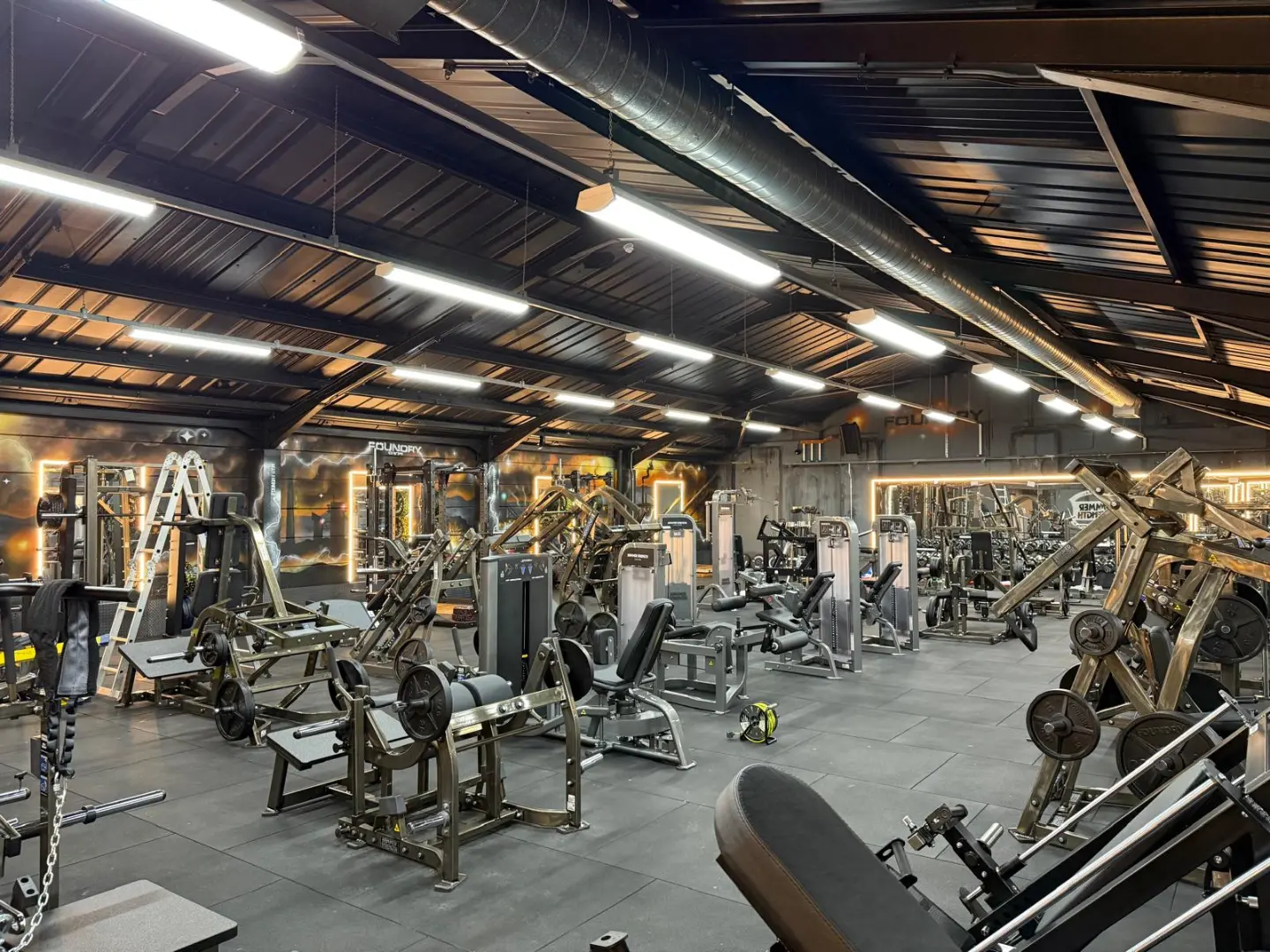
Consider a warehouse, for example. Running dated fluorescent fittings for long hours every day means high energy consumption and little natural light. Usually, there’s more opportunity for savings here than with a small office that has newer fixtures and shorter operating hours. A factory with high-level electric light points, on the other hand, may be equally happy with the reduction in maintenance tasks as they are with savings on their energy bill.
- Current lamp or bulb type, such as fluorescent, halogen or incandescent
- How many hours is the lighting used each day?
- The number and condition of existing fittings
- Required brightness and light levels for the space
- Whether lighting control, automation or a sensor can be added
- Access requirements for maintenance and replacement
- Any emergency lighting or compliance needs
Estimate How Much Your Business Could Save By Switching To LED Lighting
Enter a few details about your current lighting and usage to see an indicative yearly saving, payback period and longer-term running cost difference.
Your Current Lighting
Usage And Project Details
£1,365
Based on the details entered, switching to LED could reduce your lighting electricity cost by around 58%.
What This Means
This suggests there could be a strong case for an LED lighting upgrade, especially if your current fittings are older, difficult to maintain or used for long hours.
Call 0121 272 7472Where the Savings Usually Come From
Lower Energy Use and Lower Energy Bills
You will find LEDs are a popular pick for energy-efficient lighting. The reason is straightforward: the diode in an LED is better at turning electricity into light than most of the older technologies out there. Put simply, to get the kind of illumination you want, an LED light will not call on as much energy as your more traditional fixtures would.
Find out more about the differences between LED and other bulbs.
Switching out that fluorescent bulb, halogen or your faithful old incandescent for an LED light is one easy step you can take to reduce your energy use. And those dollars you’re saving on utility bills have merit – they can be applied to exactly the type of energy efficiency and conservation we’re looking to encourage everywhere on site as part of our overall sustainability plan.
In many cases, lights in businesses are on for hours on end. So even if each LED light uses less energy per fitting, it makes a difference when you look at the lighting system as a whole. It is no wonder then that businesses looking to cut their energy bills and be more energy efficient will typically have a good, hard look at their lighting before they do any other electrical work.
Lower Maintenance Costs and Reduced Replacement
Then there is the matter of maintenance. Make the switch to an LED bulb or a complete fitting, and you are generally looking at a longer lifespan than you would get with older stock. In time, this translates to less money spent on upkeep; you won’t have as many lamps going out, and you can put off the need for replacements.
Often, that less maintenance is what counts in the real world, particularly when you are dealing with hard to reach places or where any kind of disruption comes at a price. Consider a warehouse, a production floor or some other sizable commercial property, for instance. To replace a light bulb, halogen bulb or fluorescent lamp, you might have to go through permits, bring in equipment or make arrangements for after-hours access. That is why keeping maintenance down is such an important factor in your total cost savings.
Better Lighting Control
You can also see the switch as a chance to put your lighting management in better order. Whether you put in place a sensor, some form of timed control or a more comprehensive strategy for zoning, it is an effective way to reduce energy use in washrooms, corridors and stores where traffic is light. You will see energy savings and a reduction in your electricity bills, yet not have to make any concessions on quality or safety.
Automation is another option where it makes sense; it allows the lighting to be more in tune with what is happening in the building. In a commercial setting where occupancy is in flux, that kind of responsiveness is invaluable.
Do You Need a Simple Bulb Swap or a Full LED Upgrade?
Answer a few quick questions about your current lighting, fittings and site requirements to see which LED upgrade route may be more suitable.
Tell Us About Your Current Lighting
Simple LED Bulb Swap May Be Enough
Your answers suggest the existing fittings may be suitable for a simpler LED replacement, provided compatibility and safety are confirmed.
TEC Recommendation
A simple LED replacement may be a practical starting point, but TEC should still check fitting compatibility, safety and whether the final lighting level is suitable for the space.
Call 0121 272 7472How Older Lighting Compares with Led
Then there is the matter of older systems like traditional lighting, incandescent or halogen fittings and fluorescent lights. While they will still give you serviceable electric light, they are not as efficient with their energy use. They tend to run hotter and put more of a strain on maintenance with the need to replace bulbs more often.
Typically, in a lot of business environments, an old fashioned incandescent bulb or the like is simply too dated. Then there are halogen lamps and other incandescent fixtures, which have a habit of throwing off more energy as heat. Most people go with LED technology these days for the better quality of light and the fact that it does not consume as much power, provided you put in the right specifications.
You have to factor in the environment as well. Certain fluorescent lamps are made with mercury, so you need to be careful how you go about replacing and disposing of them. Then there is the matter of cost, which is usually the first thing on people’s minds when making the switch to LED. Prices for the products and the work involved will differ; it all comes down to what you are dealing with in terms of fittings, and whether a straight bulb swap will do or if the whole system has to be overhauled.
What About the Upfront Cost?
The upfront cost of LED can be higher than sticking with older fittings, but the long-term savings are often where the value lies. An LED upgrade is also a good way to be more eco-friendly. It can help a business get closer to its sustainability and net zero goals by cutting down on wasted energy and the carbon footprint that comes with it, not to mention lower greenhouse gas emissions.
For certain buildings, making the change to LED is a simple matter. But in others, you will find that an upgrade calls for more than just new bulbs; it can entail fitting new fixtures, altering the controls or emergency lighting, and even some general electrical work to ensure everything is up to code and safe. You have to look at the bigger picture when it comes to the initial outlay and measure it by the savings over time, not merely what you pay for an individual LED bulb off the shelf.
In putting a price on an LED lighting project, we don’t just take one number at face value. We want to see the whole story: what you are spending on energy now, the maintenance record, how good the lighting is and if it is suited to the way the space is put to work, not to mention the practicalities of getting in there to install it. That is the only way to get a true sense of your return on investment, rather than going by some generic claim.
Why the Right Lighting Matters, Not Just Cheaper Lighting
There is no question that you want to put some money aside, but you cannot afford to skimp on the right kind of lighting for the job. When you do an LED upgrade, it ought to uphold or improve your visibility and overall quality of light without compromising on safety or compliance. In a work setting, we are not just looking to put in a fitting with lower energy consumption; the goal is to have an energy-efficient solution that suits the environment.
Take a look at a warehouse, for example: picking areas and storage aisles will require reliable lighting levels. An office is different. There you are chasing something more even to balance the light entering from the windows. Then consider industrial spaces that require emergency lighting and robust controls and fixtures to suit their operations. This is why an upgrade should be considered a complete solution versus just installing a new bulb.
Why Professional Planning Matters
Professional planning matters because not every LED lighting upgrade is a simple bulb swap, and getting it wrong can affect safety, compliance and performance. That is why we do a proper survey: to determine if your present electrical set up can handle the upgrade safely, and to check for any compatibility issues with your switches. We will pinpoint the right fitting and LED light for the job.
In an industrial environment or on a large scale project, this kind of due diligence is all the more necessary. High-level work demands that you give access and safety top of mind while keeping downtime to a minimum. A survey will also see to it that you get better quality light in the space, neither too much nor too little.
Then there are the standards to be met. We work in accordance with all the pertinent UK workplace regulations and lighting standards, such as BS EN 12464-1:2011, BS 5266-1:2016 and the Workplace (Health, Safety and Welfare) Regulations 1992, where they apply.
Does Your Lighting Need a Compliance and Safety Review?
Answer a few practical questions about your lighting, emergency lighting, visibility and maintenance to see whether a professional lighting review is recommended.
Check Your Lighting Setup
Low Concern
Your answers suggest there are no obvious major lighting compliance concerns, but basic checks should still be made before any LED upgrade.
TEC Recommendation
A standard lighting review should still confirm fitting condition, LED compatibility, safe installation and whether the proposed lighting is suitable for how the space is used.
Call 0121 272 7472Who Usually Benefits Most from Switching to LED?
While many businesses stand to gain from this sort of work, you will find the argument for an upgrade is most compelling at sites like:
- Older fluorescent bulbs or fluorescent lamp fittings
- High energy consumption from long operating hours
- Frequent bulb replacement and rising maintenance costs
- Large commercial spaces, industrial units or warehouse environments
- Outdated lighting technologies that no longer suit the space
- A need to reduce your energy use and support sustainability goals
A site review is where most companies should begin if they want to save money on running costs while at the same time getting better quality lighting. It puts the scope of any upgrade on a firm footing of evidence as opposed to guesswork.
Frequently Asked Questions
Answers to common questions about LED lighting savings, energy bills, upfront costs, full upgrades, planning permission and what businesses should check before switching.
The amount a business can save depends on the existing lighting, operating hours, electricity rate, maintenance needs and access requirements. Sites with older incandescent, halogen or fluorescent lighting often have the clearest savings potential.
A site audit is the best way to calculate a realistic figure because it takes the actual premises, fittings, usage and maintenance costs into account.
No. A properly designed LED lighting system is normally selected to reduce electricity use, not increase it. LED fittings usually use less energy than older lighting while delivering suitable light levels for the space.
If the system is specified correctly, it should help reduce lighting-related electricity costs.
Yes. LED bulbs are commonly used as an energy-saving lighting option because they turn electricity into light more efficiently than many older bulb types.
They also tend to run cooler than traditional incandescent or halogen lighting, which means less wasted energy is lost as heat.
It depends on the condition of the existing fittings, the required light levels, the layout of the space and whether controls or emergency lighting need to be considered.
In some cases, a simple LED bulb or lamp replacement may be enough. In other buildings, a full lighting upgrade may be better for performance, safety, compliance and long-term value.
Grant availability can vary by location, business type and scheme. Before relying on funding, it is best to understand the scope of the lighting upgrade, the likely savings and whether the project meets the requirements of any current energy-efficiency support.
A practical first step is to review the existing lighting, estimate the potential savings and then check whether any local or sector-specific support may apply.
Many internal LED lighting upgrades will not need planning permission, but it depends on the site and the nature of the work.
Listed buildings, external lighting, signage, large-scale projects or changes that affect the appearance of a property may need additional checks. It is safer to review the requirements early rather than assume the same rules apply to every building.
Next Steps: Contact Tailored Electrical Contractors
Thinking of making the switch to LED? Then you should begin with a proper review of your present lighting, what your energy bills are running and how your operations run. We will put together an assessment to see if an upgrade makes sense for you, point you towards LED options that are both safe and in compliance, and put a plan in place to get the job done with as little disruption as possible.
Why not put in a word to Tailored Electrical Contractors? We can set up a no-strings-attached quote, a site visit or a free consultation for you. Our services are available right across the UK, and we have a solid footing in Birmingham and the West Midlands. If you need some sound advice on lighting improvements for your home, business or industrial premises, we are here to help with practical solutions.