
Commercial and Industrial Installations
NICEIC registered cable pulling contractors who offer safe, reliable and cost effective electrical support services for commercial and industrial customers throughout the UK. We install power, data and control systems and work with our customers on new builds, refurbishments, upgrades and maintenance projects.

Demanding Environments
Our contractors are able to operate in demanding environments. Whether it’s data centres and hospitals, factories and warehouses, offices and retail units or power stations and large industrial buildings, we have the experience, skill and care to do the job to the highest standards. That means effective planning, clear communication and a professional, comprehensive service every step of the way from your first enquiry, through to project completion.
What Is Cable Pulling?
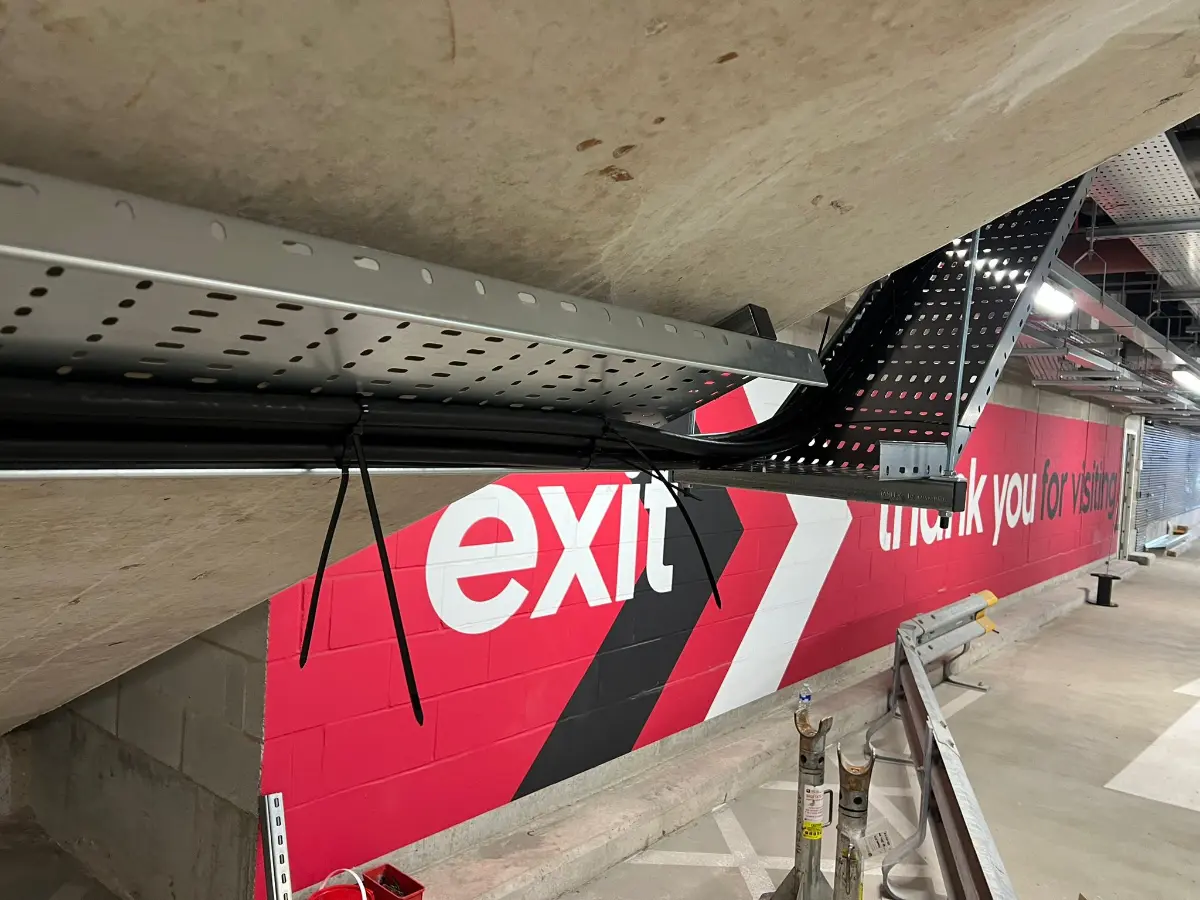
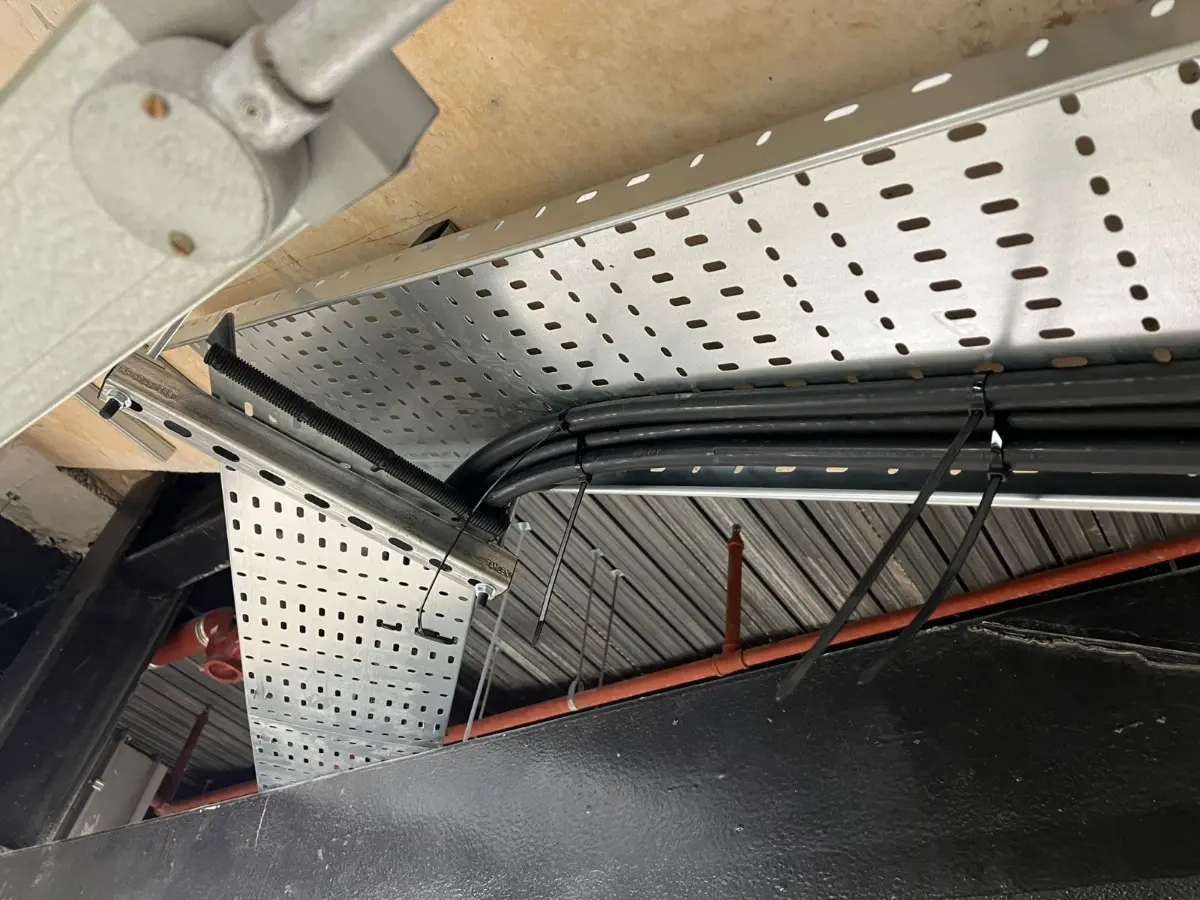
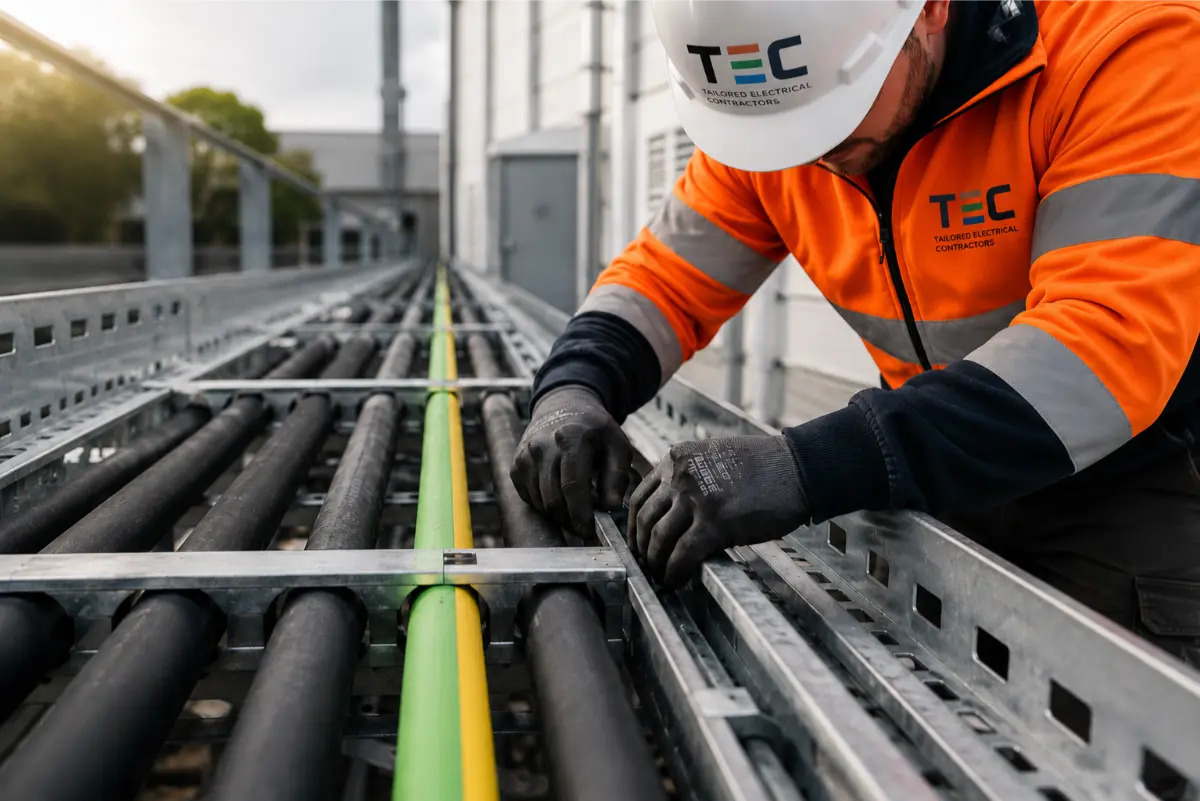
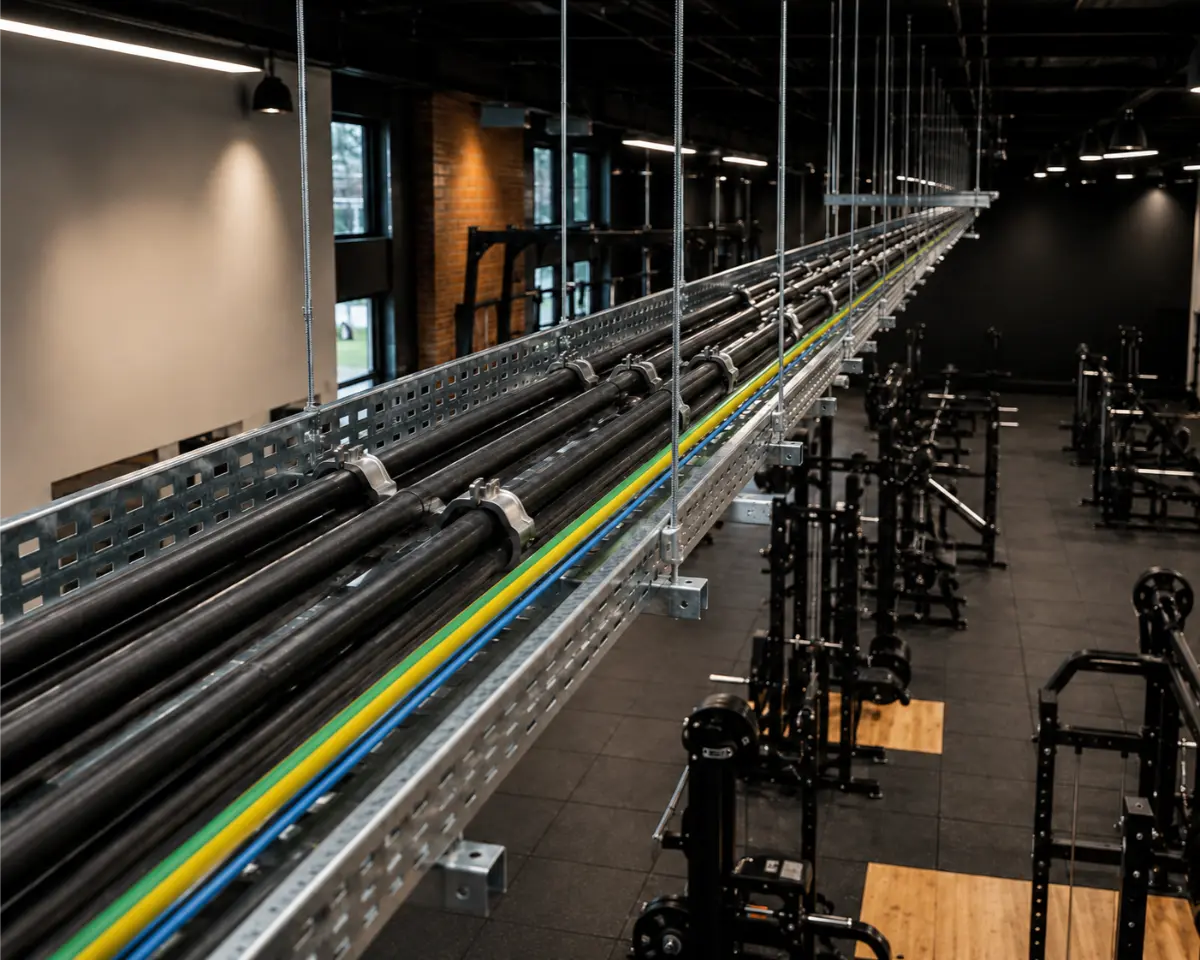
Pulling cable involves running electrical, data or control cabling through ducts, trays, trenches, containment systems or a sub duct. This stage of many electrical installations is important, as the route chosen, tension applied and bend radius need to be controlled to a high degree.
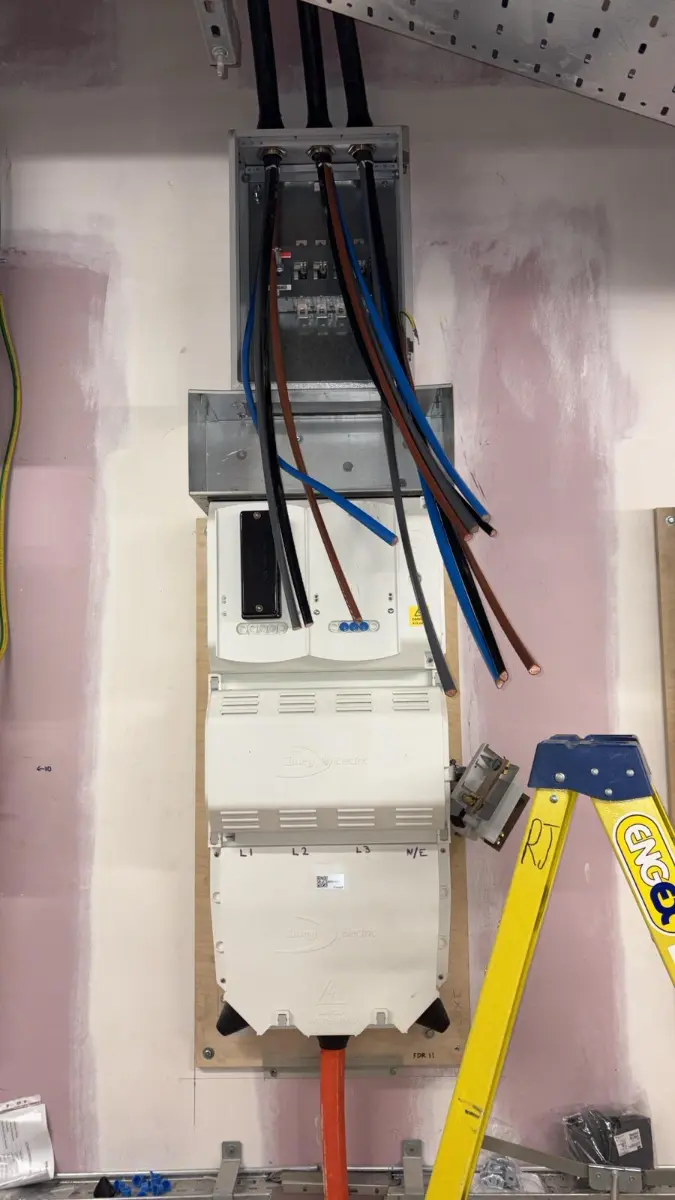
Jobs can consist of low voltage supplies, LV cable, HV cables, data cables, control cables, transformers, plant rooms, distribution boards or a range of specialist cables. Cable runs may be only a few metres, but longer runs may require planned routes throughout a building or industrial area.
Our Cable Pulling Services
We offer cable pulling services for commercial and industrial environments where health and safety, reliability and quality are key. Whether your project needs us to support a single installation or form part of a larger electrical package, we can help.
Our service can entail:
- Route checking and preparation
- Inspection of ducts trenches and containment areas
- Pull planning and tension calculations
- Assistance with installation of various cable types
- Jointing and jointing services if necessary
- Low voltage (LV) and High voltage (HV) project assistance
- Fault location assistance if your cabling needs troubleshooting
- Completion checks, documentation and handover
We like to offer practical solutions that keep your project on track, minimise disruption and ensure you stay within budget.
Typical cable types we work with include:
| Cable Type | Voltage Range | Typical Use Cases |
|---|---|---|
| Low Voltage (LV Cables) | Up to 1kV | Residential and commercial power, lighting, general electrical supply |
| Medium Voltage (MV Cables) | 1kV to 33kV | Power distribution in commercial and industrial settings |
| High Voltage (HV Cables) | 1kV to 132kV | Power transmission, substations, large-scale industrial applications |
| Instrumentation | Varies (signal/data) | Transmitting signals and data in control systems, often industrial |
The UK's #1 Cable Pulling Contractor
Cable Installation Services for Commercial Sites
We undertake cable installations across commercial buildings, warehouses, manufacturing facilities and more. Education, healthcare and industrial buildings are also within our scope of work.
Premises we install on can be live or new builds where other trades will be working in parallel.
Planning a cable installation allows us to work efficiently to minimise the risk of damage, delays and customer downtime.
Industrial Cable Projects
Industrial applications can require heavier routes, larger supplies, machinery connections, control panels etc along with more demanding working environments. Our technicians know how to schedule working around access, health and safety requirements, other trades and environmental factors.
We have been involved with many projects that needed careful management to avoid damaging the cabling, keep on track and guarantee the final cable installation was fit for purpose.
Cable Routes and Preparation
All projects start with the route. Before works commence we survey access, bends, ducts, trays, trenches and containment. Restrictions, existing services and anything else that may impact on your method of work are also considered.
Ducts may require inspection, cleaning or proofing prior to starting work. This allows us to confirm the route is clear and minimise friction/snagging or unseen damage during cable installation.
Tools, Winches and Rollers
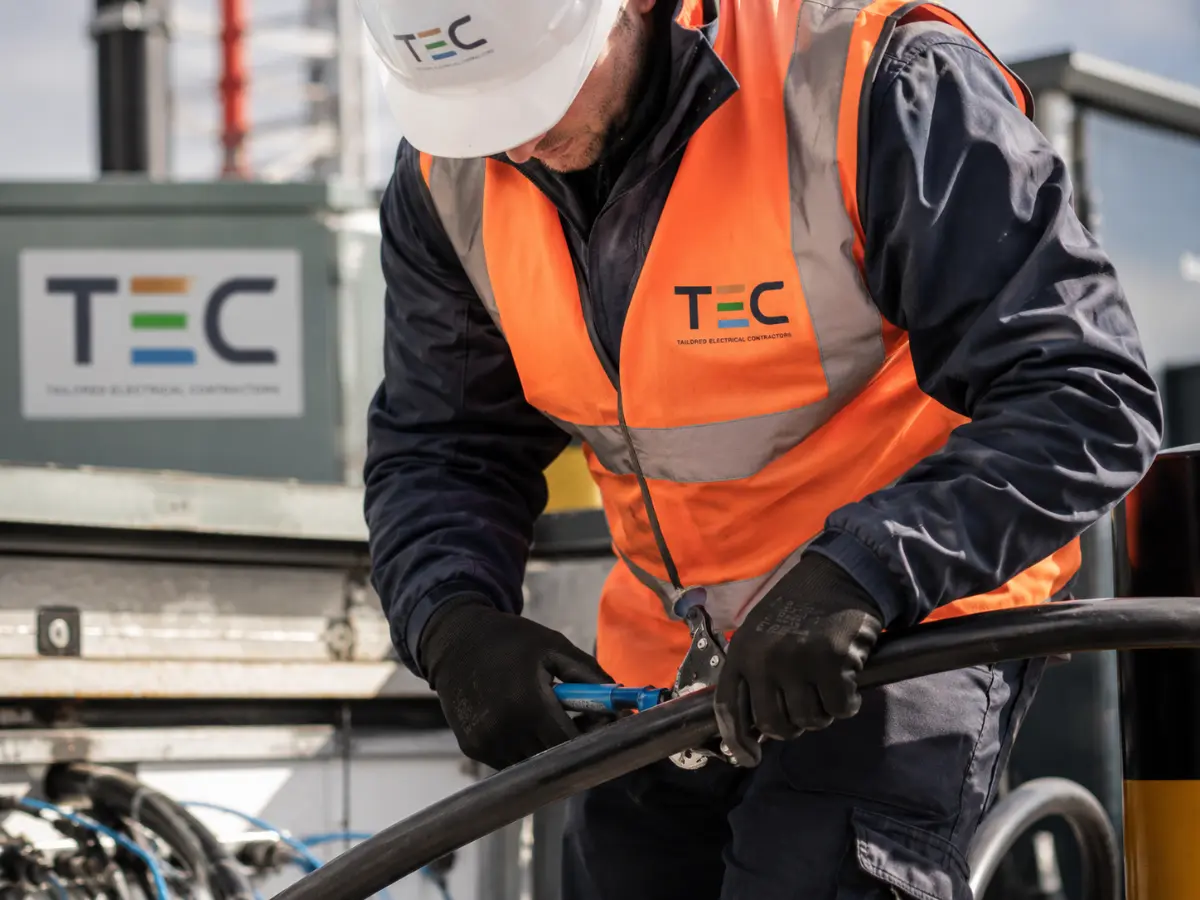
Having the right equipment can make all the difference when completing a cable pulling job. Our technicians utilise winches, handheld winches, rope, cable socks, cable rollers, drum stands, carts, guides and more while pulling cable.
We select cable pulling equipment that will work best for your project. Cable rollers and corner rollers are great options to minimise friction, cable socks (including single eye cable socks) are perfect for anchoring the cable at the end of your pull and cable pulling winches are ideal for heavier jobs that require more control and efficiency.
Reducing Friction and Damage
Drag is another significant risk when completing this work. Drag can occur from bends, rough piping, poor route-setting, debris in ductbanks, or mishandling.
We can help limit this risk by using cable lubricants, appropriate rollers, and proper planning of the cable route. We also take care to properly handle the cable from the reel. If there are areas of twisting, tight radii, or long pulls we make allowances to help maintain the cable integrity and ensure long-term reliability.
Confined Spaces and Difficult Access
Projects sometimes include confined spaces, plant rooms with restricted access, risers, trenches or ceiling voids. These areas require consideration of appropriate planning, access requirements and safe working methods.
If confined spaces are present, the method statement should be considered carefully prior to commencing works. This is to ensure the safety of all members of the workforce and help ensure the work is carried out in a planned manner.
Monitoring, Safety and Quality
Monitoring may be necessary when dealing with heavier or more complicated jobs. We may need to monitor tension, distance and speed to ensure you stay within the manufacturer’s guidelines. This can be useful if your cable routing involves changes of direction, long distances or you’re running multiple cables.
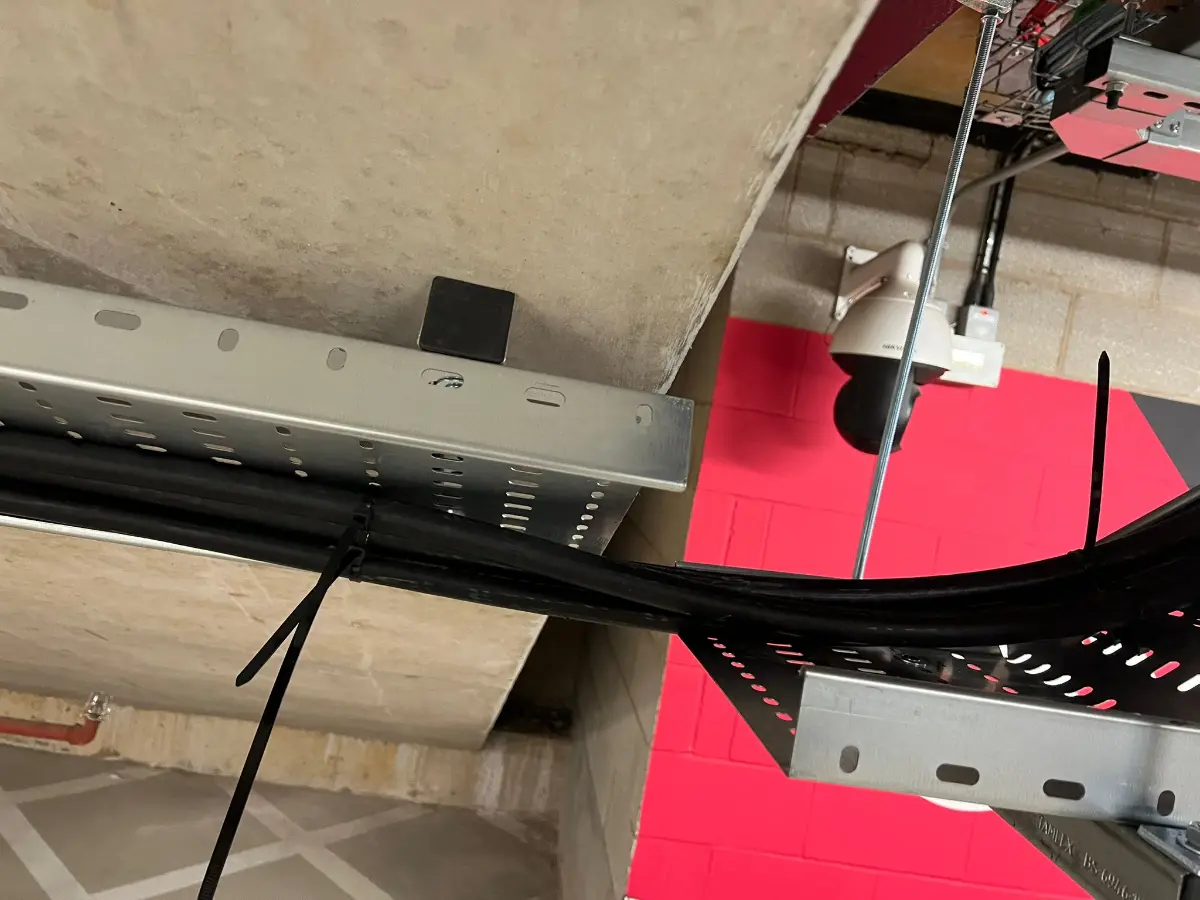
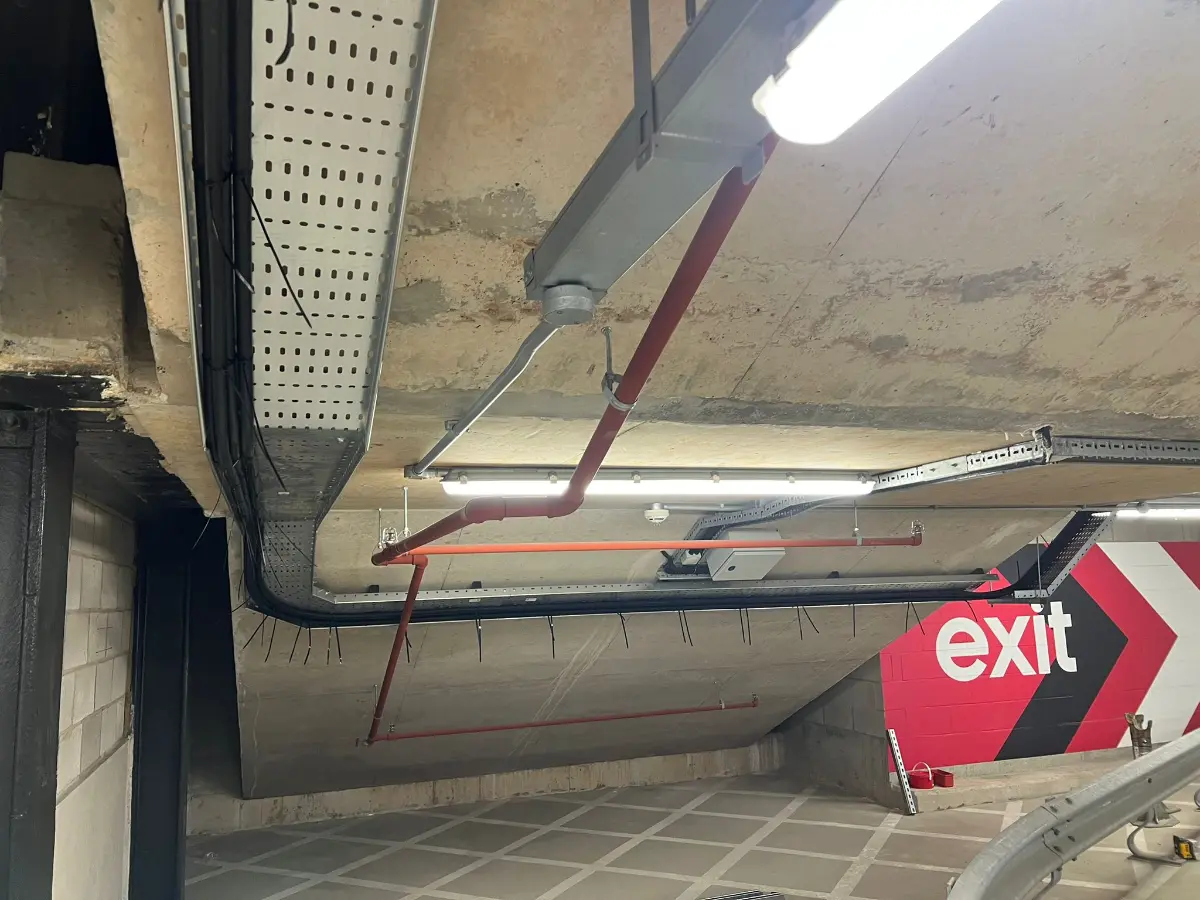
Planning and preparation along with experienced technicians means quality is built into the process. At Tailored Electrical Contractors clear communication is also key. As well as providing a great service this is one of the ways we, as an NICEIC registered company can offer clients peace of mind that electrics are installed by a competent contractor who abides by industry accepted standards.
UK-Wide Service
Why Choose Us
Tailored Electrical Contractors specialise in servicing commercial and industrial customers. We are NICEIC registered and supply a professional service to help our customers with reliable electrical support. Our focus is on safe design and planning, meticulous installation and communication at every stage.
We understand that every environment has different requirements, from commercial buildings and data centres to hospitals, industrial buildings, power stations and plant rooms.
That’s why we take time to plan for:
Our team of experts will strive to find practical solutions to keep your project on track and minimise disruption. We manage the process from route checking to completion with care, ensuring work is completed efficiently and to the highest of standards.
Next Steps
Get in Touch
- Book a survey – assess current lighting, controls and ceilings.
- Get your plan – layouts, colour temperature choices, UGR/lux checks, controls, emergency coverage and a clear ROI.
- Install & handover – tidy installation, commissioning, and staff guidance so energy saving starts immediately; this ultimate guide helps you plan the switching steps.
CABLE PULLING AVAILABLE THROUGHOUT THE UK
- Avon
- Bedfordshire
- Berkshire
- Buckinghamshire
- Cambridgeshire
- Cheshire
- Cornwall
- Cumbria
- Derbyshire
- Devon
- Dorset
- Durham
- Essex
- Gloucestershire
- Greater London
- Hampshire
- Herefordshire
- Hertfordshire
- Isle of Wight
- Kent
- Lancashire
- Leicestershire
- Lincolnshire
- Merseyside
- Norfolk
- Northamptonshire
- Northumberland
- Nottinghamshire
- Oxfordshire
- Rutland
- Schools
- Shropshire
- Somerset
- Staffordshire
- Suffolk
- Surrey
- Sussex
- Tyne and Wear
- Warwickshire
- West Midlands
- Wiltshire
- Worcestershire
- Yorkshire