
What Is a Cable Containment System?
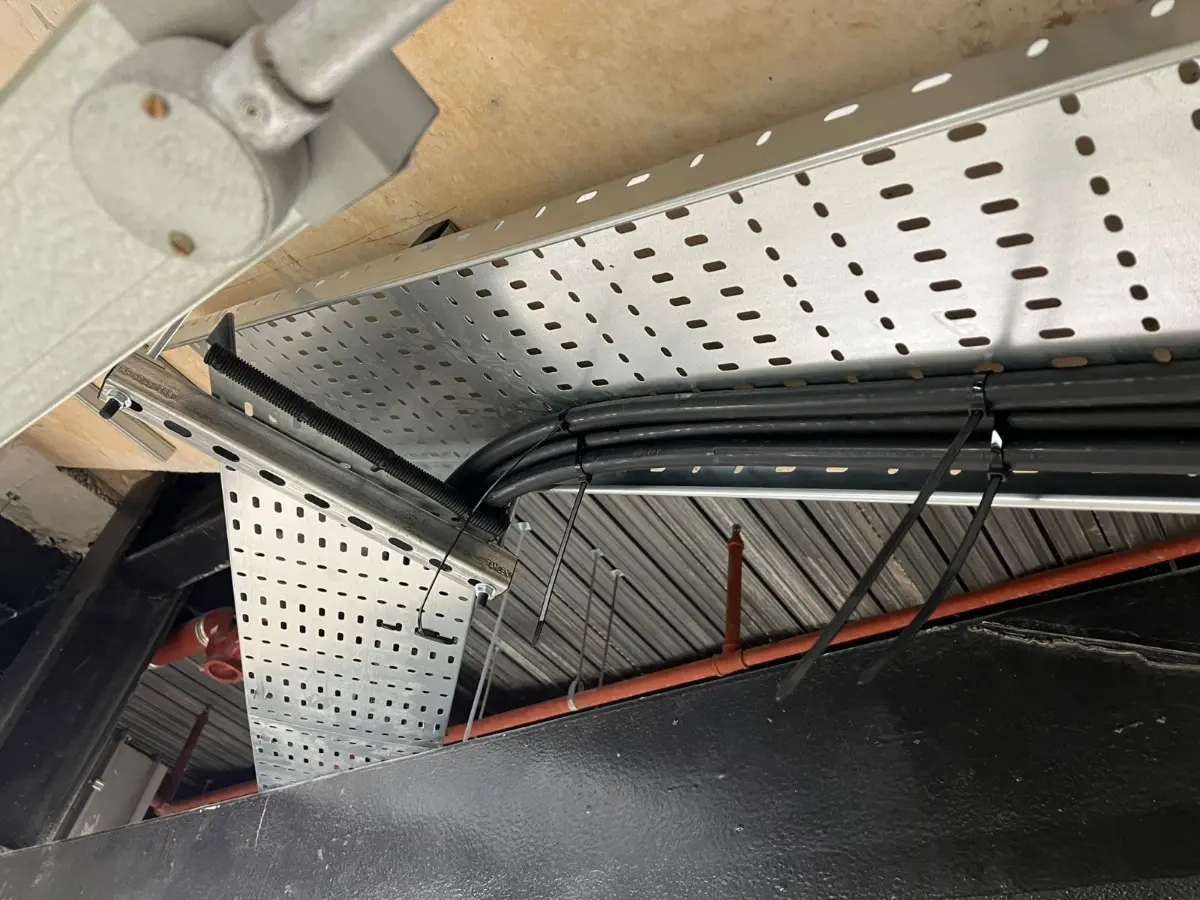
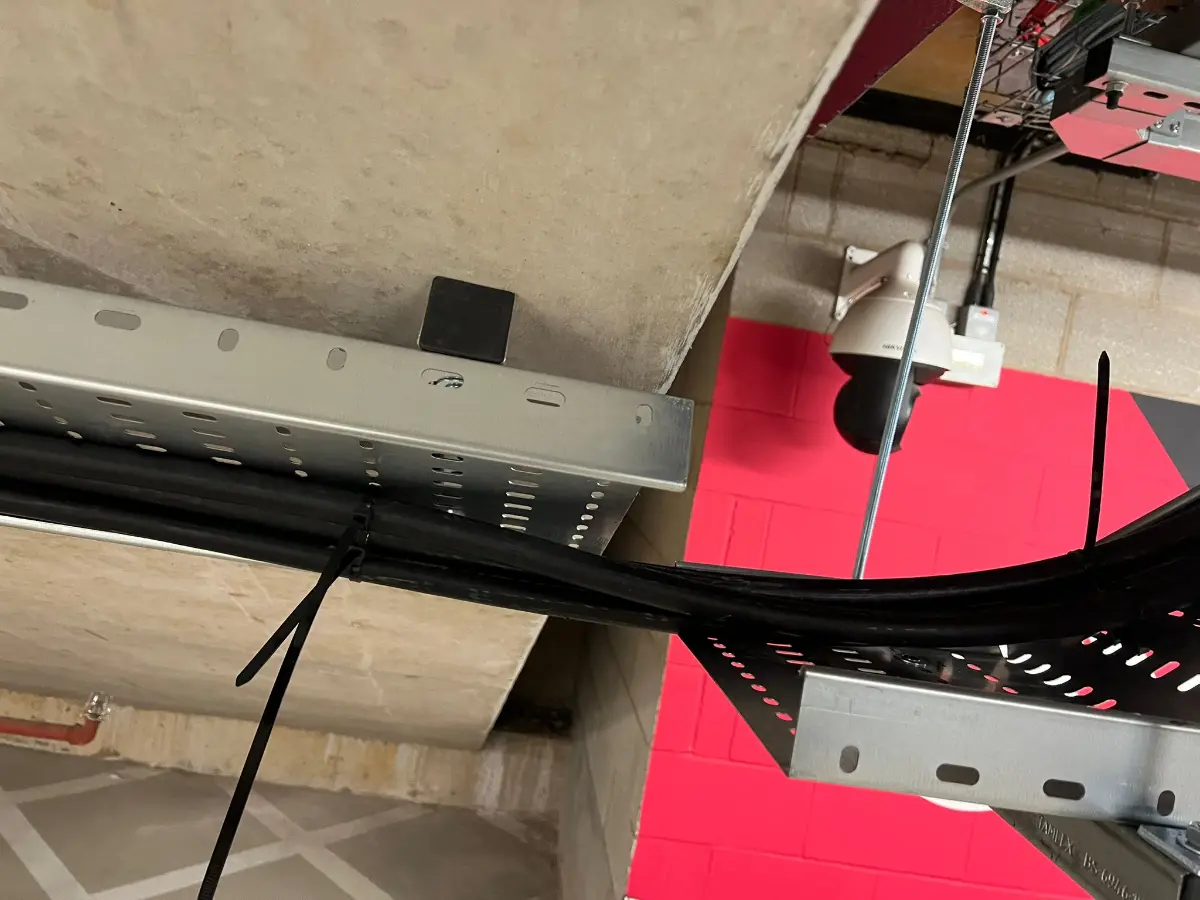
Cable containment refers to a systematic approach to routing, supporting and protecting cables and wireways. It can include several types of cable containment, including cable trays, cable ladders, cable trunking/enclosure, conduit, and cable baskets.
The benefits of using cable containment include keeping cables tidy and protected from damage, reducing electrical hazards, ensuring maximum performance of electrical wiring systems and easy accessibility for maintenance and future expansion.

Common Types of Cable Containment Systems
Cable containment helps route, support and protect electrical wiring. Different systems are used depending on the type of cables, environment, level of protection required and how much future access is needed.
Cable Trays
Arguably the most ubiquitous containment system, cable trays are extensively used across industrial and commercial facilities. Cable trays are generally made from galvanised steel or aluminium and effectively support cables horizontally and vertically.
Why Is Cable Containment Installation Important?
- Electrical Safety: Cables that are not contained can be easily damaged, exposed to moisture and dust, increasing the risk of electrical hazards and fires. Cable containment helps reduce these risks by providing a safe and secure environment for electrical wiring.
- Compliance with safety standards: In the UK, cable containment systems must comply with safety regulations and standards. Proper cable containment ensures that the cables are earth bonded correctly and separated according to regulations to prevent electromagnetic interference between power and data cables.
- Neat and organised cables: Cable containment helps keep cables organised, tidy, and easy to identify. This can save time during maintenance and future cable additions.
- Protection from environmental factors: Cable containment can protect cables from dust, moisture, and temperature changes, particularly in industrial settings.
- optimised performance: Proper cable containment can ensure that wiring systems are routed correctly and separated to optimise electrical performance.
Understanding Safety and Compliance in Cable Containment
We make sure that our cable containment solutions conform to UK safety regulations. Some of these are:
- Metal cable trays/ladders/trunking should be earth bonded. This protects against electric shock and static charge buildup.
- Cable trays should not deflect more than 1/240th of the span when under load.
- Keep power and data cables separate in multi compartment trunking. This will avoid electromagnetic interference (EMI).
- Load test cable trays to ensure they can handle the load of the electrical cables.
- Environmental factors such as moisture present and fire rating should be considered when running cables.
Planning and Design Considerations for Cable Containment Installation
Installation of cable containment systems requires forethought and design work that is specific to your project. Some key considerations include:
Electrical cables types and quantities – Knowing how many and what type of electrical cables will be run through your containment allows you to source the correct containment with suitable working load limits.
Future proofing – Ensuring that space has been allowed for future wiring can save both time and expense if additional wiring capacity is required down the line.
Routing around obstacles – Consider where cable trays and containment will be situated in relation to electrical panels, network switches, etc. Ensure that these do not interfere with other planned installations, such as HVAC equipment.
Environmental Factors – Dust, moisture and ambient temperatures can impact what retention method and containment materials you use.
Regulations – Ensure your design and cabling comply with UK wiring regulations and safety standards.
Containment Planning Checklist
Select the factors that apply to your project. The tool will highlight what should be considered when planning cable containment for your site.
What does your project involve?
Tick every item that applies. This does not replace a site survey, but it helps identify the key design considerations.
Select the factors that apply
Your checklist result will appear here, highlighting the main containment considerations for your project.
The Cable Containment Installation Process
Services within SEC 011 Electrical Cable Troughing Installation include:
- Cleaning & Clearing Area: Clearing work area of debris
- Choosing Appropriate Materials: Selecting containment systems/types of materials appropriate for environmental conditions and application
- Fixing Supports: Installing brackets, clamps and anchors that will support cable tray, ladder or trunking
- Installing Cable Tray / Ladder / Trunking: Installing cable tray / ladder / trunking level and ensuring that it is securely supported to appropriate load requirements and deflection limits
- Laying cables and Securing with ties: Pulling and routing electrical cables through containment systems, using cable ties, cleats and clamps to secure cables
- Making Earth Connections: Ensure metal containment is earth bonded correctly
- Inspection and Testing of Electrical Cable Installation: Inspection of completed electrical cable containment installation ensuring suitability for electrical installation
- Trimming Installation: Fixing removable covers to trunking and trays to protect cables.
Step-by-Step Cable Containment Installation Timeline
A well-planned containment installation helps keep cable routes safe, tidy, supported and accessible. This timeline breaks the process into clear stages from preparation through to final inspection.
Clear and Prepare the Work Area
The work area is cleared of debris and obstacles so the containment route can be installed safely and efficiently. Access, working space and any nearby services should be checked before work begins.
01 Clear and Prepare the Work Area
The work area is cleared of debris and obstacles so the containment route can be installed safely and efficiently. Access, working space and nearby services should be checked before work begins.
02 Choose the Right Materials
The right containment system is selected for the cables, environment and application. This may include tray, ladder, trunking, conduit or basket depending on cable type, load and protection requirements.
03 Install Supports and Brackets
Brackets, clamps, anchors and support fixings are installed to hold the containment securely. Support spacing and fixing methods should be suitable for the load, route and structure.
04 Fit Tray, Ladder, Trunking or Conduit
The containment is installed along the planned route, kept level where required and fixed securely. The installation should be suitable for the expected cable load and environment.
05 Route and Secure Cables
Cables are routed through or along the containment system and secured with suitable cable ties, cleats or clamps so they remain supported, organised and protected.
06 Bond Metal Containment
Metal containment should be correctly earth bonded where required by the design and installation. This supports electrical safety and the protective arrangement.
07 Inspect, Test and Finish
The installation is inspected to check that the containment is secure, suitable and accessible. Covers are fitted where required and the electrical installation is checked, tested and finished before handover.
Cable Containment Solutions for Various Environments
Industrial Environments
In plants, cable containment should be protected from dust, moisture and possible impact damage. Cable trays, ladders and galvanised steel trunking are all hard wearing options that offer high load capacity. Reliable installation from our team means safety standards are met, and future maintenance or expansion work is easier.
Commercial Settings
Cable containment solutions can be both functional and attractive. PVC trunking and wire mesh cable trays are common for offices and retail areas because they contain cables neatly with minimal disruption. Our installation practices for cable containment aim to provide convenient access for maintenance and allow you to stay regulatory compliant for dependable electrical wiring.
Residential Settings
A residential installation could often consist of using concealed trunking and conduit to hide away cables, but keeping the finish neat. Our team can install these to a safe standard and overcome any technicalities when working around domestic wiring systems.
The UK's #1 Cable Pulling Contractor
Cable Containment Solutions for Different Environments
Different buildings and working environments place different demands on cable containment. Explore the typical containment options, risks and planning considerations for each setting.
Industrial Environments
In plants and industrial facilities, cable containment should be protected from dust, moisture and possible impact damage. Cable trays, cable ladders and galvanised steel trunking are all hard-wearing options that can offer high load capacity.
Maintaining and Inspecting Cable Containment Systems
Maintenance and inspection play a key role in helping maintain electrical safety when using cable containment systems. Maintenance tasks should include:
- Inspecting trays, ladders and trunking for any signs of damage or corrosion
- Checking that brackets and supports are still securely fixed
- Checking earth bonds are intact
- Checking that cables are still neatly contained and secured
- Cleaning to prevent the buildup of dust.
UK-Wide Service
Why Choose Us
Our expert electrical contractors are trained in cable containment installation for industrial, commercial and residential projects.
We understand how important safety, code compliance and tidy cable management are to your electrical installation functioning properly and safely. Call today to schedule your free consultation or talk to us about your cable containment needs.
Next Steps
Get in Touch
Give us a call, send us an email or visit our website to learn how we can come out and assess your site or provide a free, no obligation quote. Tailored Electrical Contractors is here to help with your next project.
Frequently Asked Questions About Cable Containment Installation
Answers to common questions about cable containment systems, electrical trunking, cable trays, conduit, power and data separation, earthing and professional installation.
A cable containment system refers to the way cables are tidied away, supported and protected against damage. This normally consists of cable tray, cable ladder, cable trunking, conduit or cable basket, depending on the installation.
The main types include cable trays, cable ladders, trunking, conduit and cable baskets. Cable trays and ladders are often used for larger commercial or industrial cable routes, trunking provides enclosed cable management, conduit offers strong protection, and baskets are commonly used for flexible data and comms routes.
Electrical trunking should be selected and installed in line with relevant UK wiring regulations, manufacturer guidance and the requirements of the installation. This can include suitable access for maintenance, correct support, separation where needed, suitable cable capacity and earthing or bonding where required.
Metal containment may need to be earthed or bonded depending on the installation design and the role it plays in the protective arrangement. A qualified electrician should confirm the correct method for metal trays, ladders, trunking or conduit before the installation is put into service.
Cable tray provides open support for cable routes and is widely used in commercial and industrial facilities. Cable ladder uses strong side rails and rungs, making it suitable for heavier cable runs, good airflow and easier cable access in industrial or plant room environments.
Power and data cables should be planned carefully where they share a route. In many installations, separation, segregation or multi-compartment trunking may be needed to help reduce interference and support a compliant, maintainable cable layout.
Cable containment installation usually involves preparing the work area, choosing suitable containment materials, installing brackets and supports, fitting tray, ladder, trunking or conduit, routing and securing cables, bonding metal containment where required, and inspecting or testing the finished installation.
Exposed or redundant conductors should be made safe using suitable approved connectors or enclosures, and the circuit should be isolated and tested by a qualified electrician. Live conductors should never be left exposed.
CABLE CONTAINMENT AVAILABLE THROUGHOUT THE UK
- Avon
- Bedfordshire
- Berkshire
- Buckinghamshire
- Cambridgeshire
- Cheshire
- Cornwall
- Cumbria
- Derbyshire
- Devon
- Dorset
- Durham
- Essex
- Gloucestershire
- Greater London
- Hampshire
- Herefordshire
- Hertfordshire
- Isle of Wight
- Kent
- Lancashire
- Leicestershire
- Lincolnshire
- Merseyside
- Norfolk
- Northamptonshire
- Northumberland
- Nottinghamshire
- Oxfordshire
- Rutland
- Schools
- Shropshire
- Somerset
- Staffordshire
- Suffolk
- Surrey
- Sussex
- Tyne and Wear
- Warwickshire
- West Midlands
- Wiltshire
- Worcestershire
- Yorkshire