While some people may use them interchangeably, there are specific differences between cable pulling and cable installation that we will cover below. We’ll discuss what they mean, the equipment used and different methods to make sure you have a safe and successful installation.
What is Cable Installation?
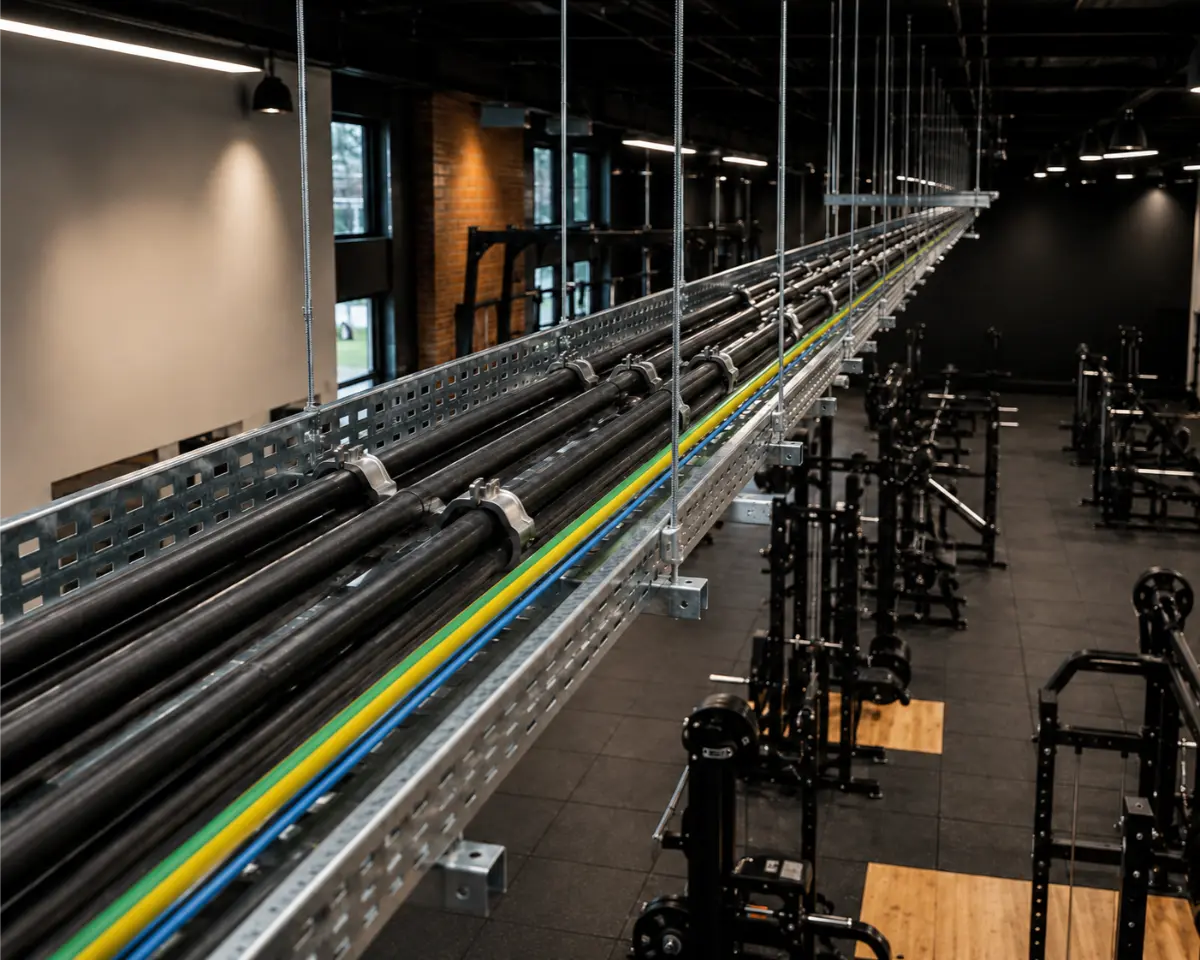
Cable Installation covers the process of routing cables from beginning to end. Installation includes designing and planning the cable route; surveying and route preparation; cable lay; fastening cable within conduit, tray, or duct; and testing installed cables for safe and reliable operation. Installation crews work with conduits, cable trays, ladder racks, hangers and accessories to coordinate a complete and code compliant system.
Installation requires attention to the entire process and takes into consideration cable type, cable length, number of route bends, environmental conditions, as well as limiting the impact to existing operations.
Key Components of Cable Installation
- Route cables with design engineers to align with specifications and safety parameters.
- Prepare conduits, ducts, pipes or cable trays for cable installation.
- Pull cables into place and secure with appropriate accessories and support.
- Test and inspection for proper installation according to industry standards.
What Does Cable Pulling Mean?
Pulling cable is a subset of the process of cable installation that deals specifically with the action of pulling cable through conduits, ducts, trenches, or cable tray. Pulling cable is usually the most labour-intensive portion of the cable installation process since great care must be taken not to exert too much force on the cable and damage the internal components.
Pulling tension and sidewall pressure should be monitored and controlled so that the cable is not overstressed beyond its design limits. Damage can occur to the cable insulation or conductors if too much pulling tension is applied to the cable. Cable pulling can be simple or complex, depending on the type of cable, cable diameter, length of cable to be pulled, and number of offsets along the cable route.
Why is Cable Pulling Important?
Pulling cables requires care and skill, as too much force can damage the cable internally without appearing so. A cable that has been installed improperly may fail prematurely or cause a safety issue. Cable pulling should be done for high voltage cables (11kV and greater) or when long distances are covered to make sure the cable is pulled properly without damage.
Equipment and Techniques Used in Cable Pulling
Pulling wires typically involves specific tools and methods used to control forces involved with pulling and protect the wire during pulling:
- Winches or Pulling Machines – used to apply pulling force in a controlled manner to pull wire through conduit or duct steadily.
- Pulling Ropes or Slings – used to attach the wire to the pulling equipment in a manner strong enough to handle the applied tension.
- Dynamometers – used to measure pulling force to make sure the force stays within safe levels.
- Rollers or Sheaves – placed around corners and other areas of tight bending to lessen friction and sidewall pressure on the wire.
- Rotating pulling heads – used when pulling wire under high tension to eliminate torsion that could damage the wire.
- Lubrication – applied to wire or conduit to ease pulling friction. This is critical when pulling cables around multiple bends or other high friction conditions.
Understanding Pulling Tension and Sidewall Pressure
Two critical forces must be carefully managed during cable pulling:
- Pulling Tension: The longitudinal force exerted along the cable’s length as it is pulled through the installation route. Excessive tension can stretch or damage the cable core.
- Sidewall Pressure: The pressure applied to the cable’s outer surface when it bends around corners or encounters constrictions within the conduit or duct. High sidewall pressure can crush or deform the cable.
Installation teams must ensure that both pulling tension and sidewall pressure remain within the cable manufacturer’s specified sidewall pressure limits and tension ratings. This careful management prevents damage and ensures safe installation compliant with industry standards.
Factors Influencing Cable Tension
Pulling tension is determined by several factors listed below:
- Cable type and weight: A cable with greater weight or diameter will require more effort to pull.
- Length of cable route: Longer pulls will experience increased tension due to added weight and friction from the cable length.
- Number of bends in the route: For each bend in a cable route, there is added friction and sidewall pressure. Sidewall pressure increases exponentially with each additional bend.
- Coefficient of friction: The amount of friction between the cable jacket and conduit or duct. This is determined by the construction of both materials and what type of lubricant is used, if any.
- Installation angle: Routing cables pulling only in one direction, if planned accordingly, can minimise stress on the cable.
Planning Tools
Advances in cable installation planning allow today’s engineers to predict cable pull forces when planning a modern installation using tools. Pull planner software calculates expected tension and sidewall pressure for every inch of cable haul using industry-standard force equations based on cable and jacket type, conduit size, number of bends, and use of lubrication.
Pull planner software allows the installation team and design engineers to decide what cable routing, equipment and installation techniques are required to install cable without damage or schedule delays safely.
How Does Cable Pulling Differ from Cable Installation?
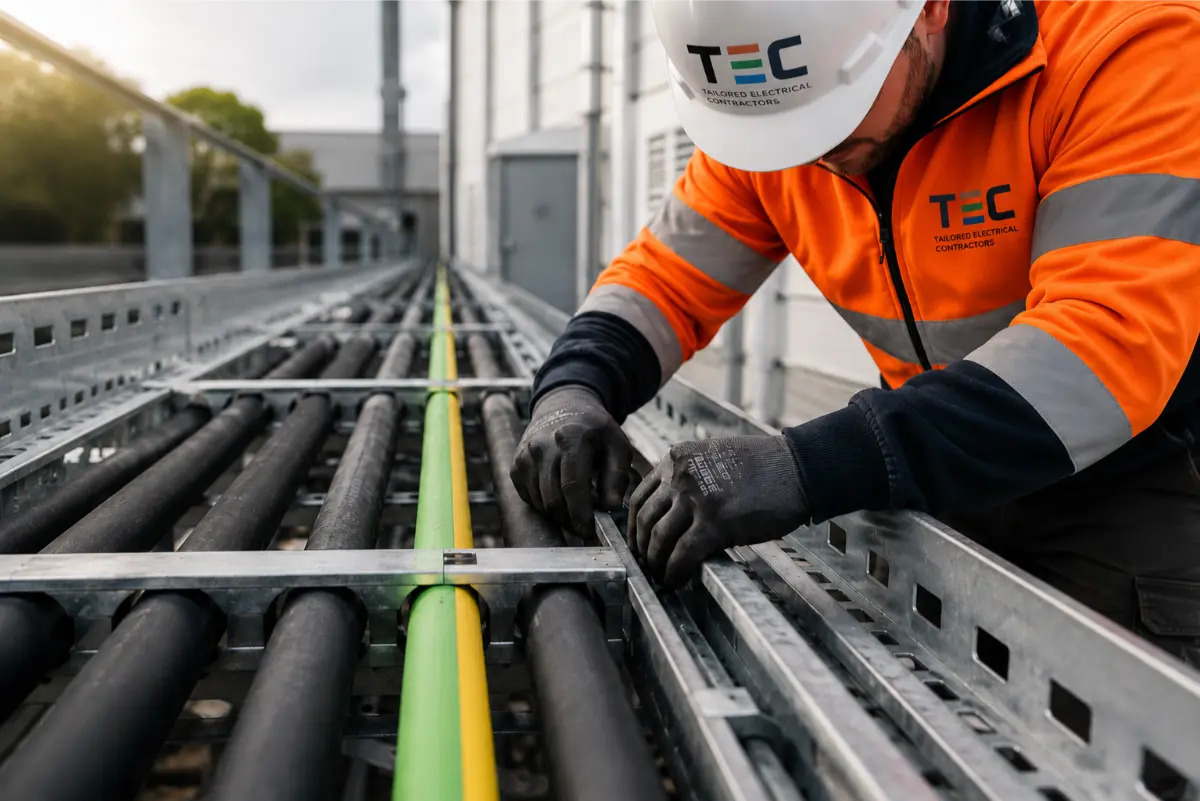
While cable pulling focuses specifically on the physical act of drawing cables through conduits or ducts under controlled tension, cable installation is the broader process that includes cable route design, preparation, securing cables after pulling, and testing the system.
To clarify:
- Cable Installation includes planning, route assessment, preparing conduits or ducting, laying the cable, securing it, and final testing.
- Cable Pulling is the specialised task within installation that deals with moving the cable itself through the prepared route while controlling mechanical stresses.
Both are essential parts of a successful project, but cable pulling requires particular attention to tension management and the use of specialised equipment to avoid damaging the cable.
Challenges in Cable Installation and Pulling
- Minimal interruption to operations while pulling or installing cables.
- Changes to project requirements or unforeseen conditions within the cable path.
- Skilled labour and crew experience can be limited.
- Continuity can be difficult to maintain on long term projects with staff changes.
Pulling vs Pushing Cable: What’s the Difference?
Pulling cable is by far the most common method of cable installation. Cable is pulled through the conduit using rope, winches or pulling machines. The advantages of pulling cable are having more control of tension while pulling and less stress on the cable during installation.
Pushing cable is where the cable is literally fed into a conduit and physically pushed through it. Cable is rarely pushed more than a few feet and is usually only used with very flexible cable. There is little control of tension while pushing the cable, and damage to the cable can occur if excessive force is used.
Summary and Next Steps
Do you have a project that needs specialised assistance with Cable Installation or Pulling? Speak to the experts here at Tailored Electrical Contractors. Our teams will use proven best practice methods and tools to provide you with dependable and code compliant results with as little disruption as possible. Call us today to talk through your needs and book your obligation free appointment.
Frequently Asked Questions
Answers to common questions about cable pulling, pulling tension, equipment, cable routes, safe installation methods and how professional teams reduce the risk of cable damage.
Cable pulling involves manually pulling cables through conduits, containment or ductwork while controlling the pulling tension and mechanical forces acting on the cable. Cable installation is broader and can include routing, laying, pulling, securing, terminating and testing cables.
Pulling tension should be controlled to help prevent damage to the internal components of the cable and the insulation. Excessive tension can affect the cable’s safety, performance and service life.
Winches, pulling ropes, dynamometers, rollers, rotating pulling heads and lubricants can all be used to help manage tension and minimise friction when pulling cables.
Pulling cables is usually preferred to pushing cables because it is easier to manage cable tension and reduce the risk of damage. Pushing cables is rarely used and is generally only suitable over short distances with flexible cables.
Pulling tension and sidewall pressure estimators, such as Polywater Pull-Planner™, can help installation teams plan cable routes and pulls more strategically. These tools can support planning by estimating tension, sidewall pressure and friction before work begins.
Yes. Installing cable under too much pulling tension or sidewall pressure can damage the cable. Competent installation teams, suitable planning and the right pulling equipment help reduce these risks.
Careful planning, experienced installation teams and clear communication with site contacts help limit disruption. Phased working, planned access routes and agreed working times can also help reduce inconvenience.
Cable pullers are typically trained in electrical, mechanical or site installation disciplines. They should understand site safety protocols, pulling tension limits, cable handling, route planning and safe installation practices.
Cable installation and pulling should follow relevant installation requirements, manufacturer guidance, project specifications and safe working practices. These help manage tension limits, equipment use, cable protection and the quality of the completed installation.
Pulling multiple cables can increase the total pulling load and friction. The added tension should be considered, along with cable size, route length, bends, lubrication, pulling equipment and the condition of the containment or ductwork.