Pulling wire is often utilised when running electrical wire, telecommunications cables, or fibre optics cables throughout commercial buildings, industrial complexes, and residential homes. This work is essential for safe electrical systems in buildings.
Understanding the Process of Cable Pulling
Drawing cable is the process of installing wires or cables into place along a predefined pathway. Special equipment is used to carefully feed wiring through conduit or ducts without causing harm to the wiring. Ensure access to ducts and conduit is sufficient before starting.
Cable tension must be closely monitored during cable installations to prevent harm to the cable insulation and conductors.
Why Is Cable Pulling Important?
Installing cables correctly ensures the electrical installation is not harmed during the process. Harmed wiring can cause countless problems down the road with poor performance and expensive maintenance….
Electrical cables subjected to excessive forces beyond their limit can suffer harm to the insulation, conductor breaks, or even splits in the sheath.
When Is Cable Pulling Needed?
Pulling cables is required in many installation situations. Cables are sometimes unable to be installed exposed or may require protection during installation. Typical applications are:
- Routing long distances where wiring cannot be laid by hand.
- Heavy duty or high voltage electrical cable installation.
- Underground power and telecom work.
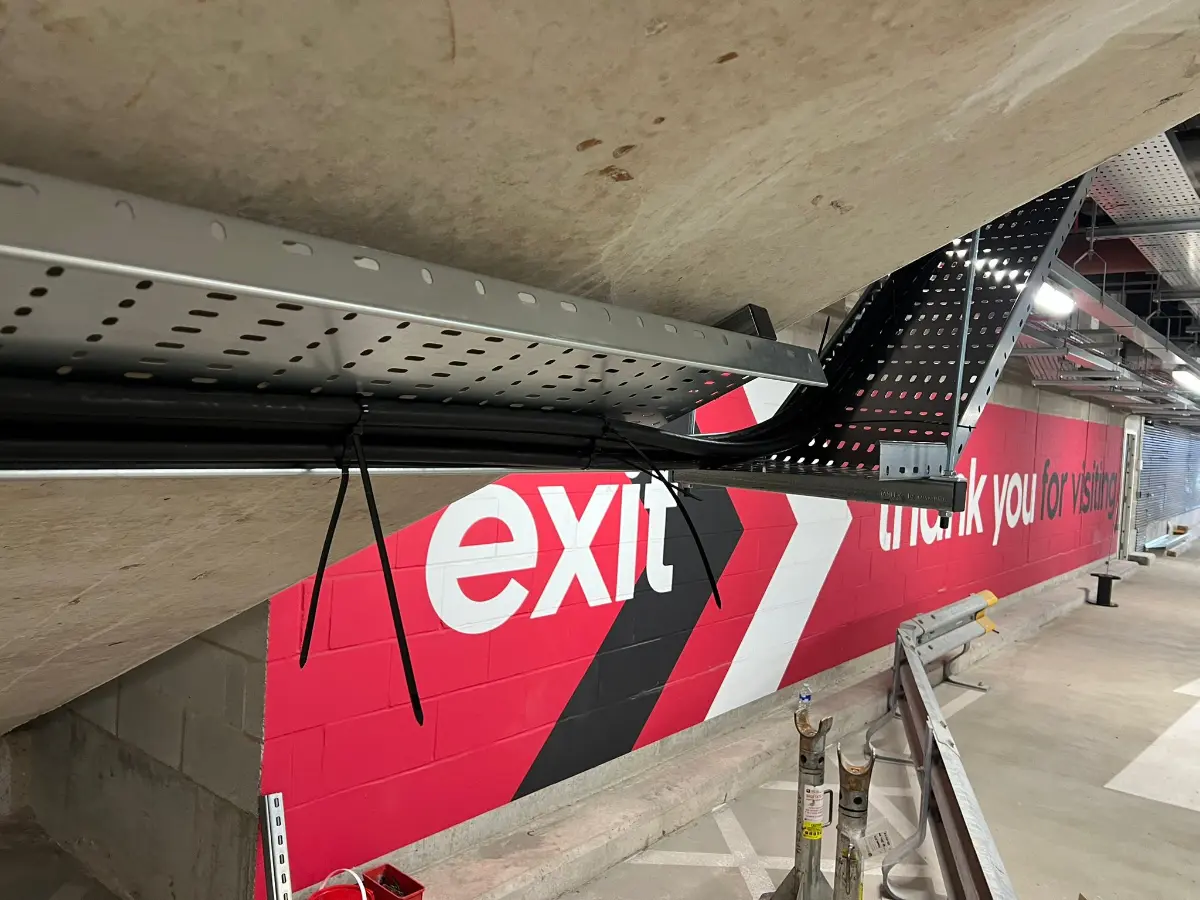
- When wiring must be routed through conduit, ducts or cable trays.
- Drawing wire through solar installations, data centres and industrial facilities.
- Commercial or residential building wiring for Internet, phone or electrical power.
Key Factors in Cable Pulling
Pulling Tension and Cable Diameters
Cable tension should be calculated prior to drawing any wiring. The allowable strain should never exceed the limitations set by the cable manufacturer. Exceeding those limits can cause harm to the insulation. Cable weight, diameter, number of route bends and more than one conductor being drawn at once will affect the required pulling force.
Route Assessment and Environmental Conditions
Inspection of the route should consider bends, restrictions and temperature or moisture issues that could affect performance during installation. Adequate space around ducts, conduit and cable trays helps eliminate friction and avoid unnecessary mechanical stress to wiring.
Use of Mechanical Aids and Equipment
Winches, rollers, fish tape and tension monitoring devices can assist with controlling the force of the pulling operation. Winches allow automated drawing to replace manual labour when installing wiring. A lubricant can also reduce friction around bends.
Best Practices for Safe and Effective Cable Pulling
- Plan: Know the route, cable type(s), cable diameters, bending radius, ambient temperature, etc.
- Check pulling force: Never exceed the force recommended by the pulling equipment manufacturer. A tension monitoring device is recommended.
- Use proper tools: Mechanical advantage (using winches, rollers, fish tape, etc. )can minimise harm and reduce mechanical strain.
- Clear the way: Empty conduit, ducts and cable trays of obstacles that can snag or harm wiring.
- Use lubricants: Always use cable lubricant when required to decrease friction.
- Avoid harming wiring: Mishandling can twist, kink or damage individual conductors.
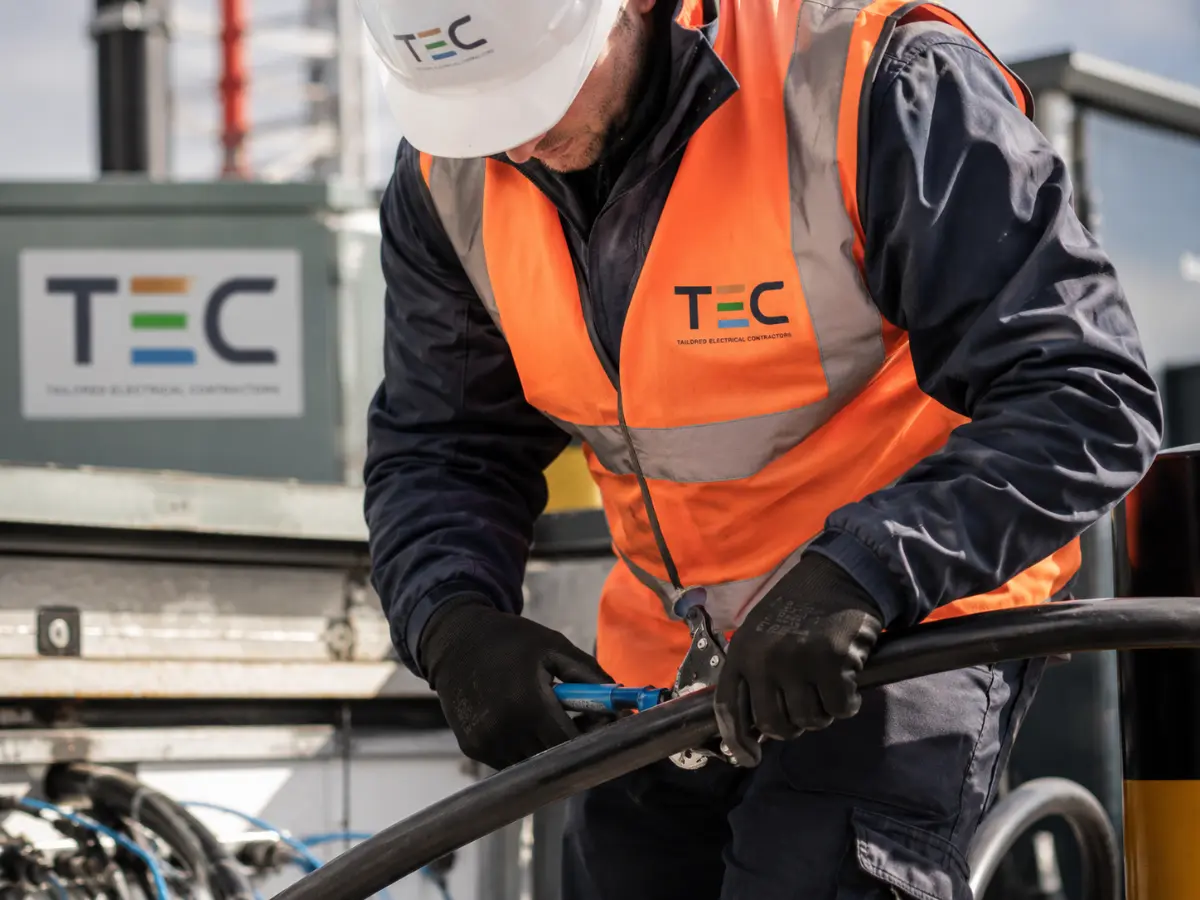
- Use personal protective equipment: Gloves, safety glasses, and helmets not only provide personal protection, but also help maintain electrical safety standards.
Good cable management after installation helps prevent snagging and wear.
Common Risks and How to Prevent Damage During Cable Pulling
Damages that can occur due to incorrect pulling include:
- Damage to Insulation: Too much tension or friction can cause splits or abrasions in the sheath.
- Damage to Conductors: Excessive force can deform or break conductors, impairing function.
- Mechanical Stress: Twisting or bending the wiring sharply can cause additional mechanical stress and harm.
Safety Tip: Always use proper drawing techniques, monitor tension carefully, and use mechanical aids and lubricants as needed.
Applications of Cable Pulling in Electrical Installations
- Laying power lines in industrial facilities and factories
- Drawing data and fibre optic wiring in data centres and commercial buildings
- Wiring houses with electrical cables, internet cables, and telephone wiring
- Electrical upgrades where new wiring needs to be drawn through walls, floors, and ceilings
Summary and Next Steps
Cable pulling should only be performed by qualified professionals with the right tools and safety measures in place. Proper drawing technique is crucial when installing wiring throughout protected or restricted spaces. When experts who practise safe drawing techniques work on your electrical installation, your project and property are kept safe. They also correctly connect conductors.
Need help with cable pulling? Tailored Electrical Contractors is here for you! Our professional electricians can install your cables quickly and safely, minimising disruption to your home or business. Call today for your free consultation or estimate.