There’s no single legal rule as to how often every commercial building has to be tested. The Electricity at Work Regulations 1989 require that electrical installations are kept safe but don’t specify a fixed period between tests. The appropriate interval will vary depending on the installation, the way the building is used, its condition and the risks involved.
For many standard commercial premises, the five year interval is the norm as a planning interval for inspection and testing. It’s guidance rather than a legal requirement. The competent person will of course determine the next date of inspection for the particular installation and give a reason for the interval they have selected.
What does a commercial electrical test cover?
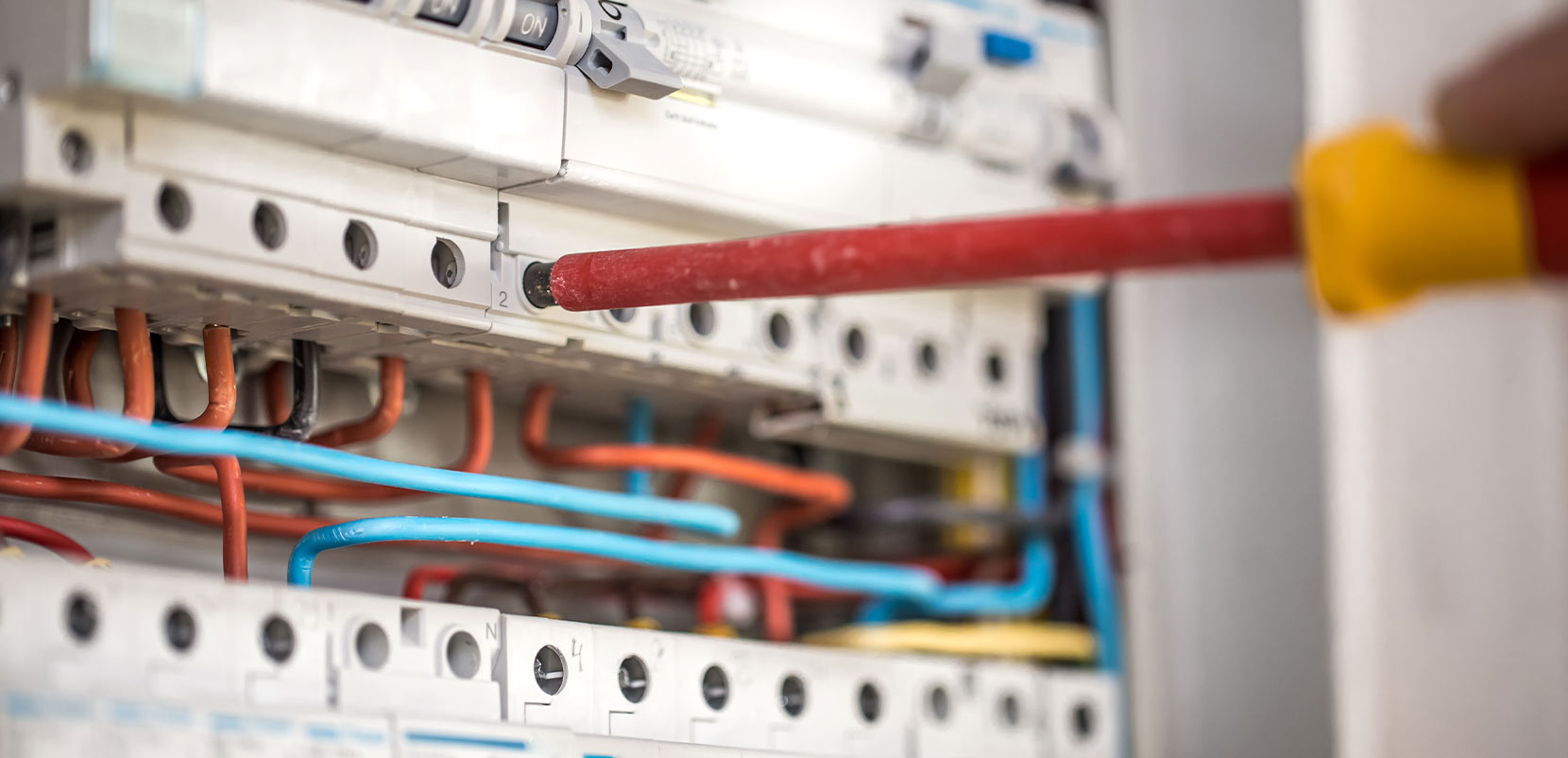
A periodic inspection and test checks the fixed electrical installation. This will cover the distribution boards, fixed wiring, socket outlets, lighting circuits, protective devices, earthing and bonding, and any other equipment which is part of the installation.
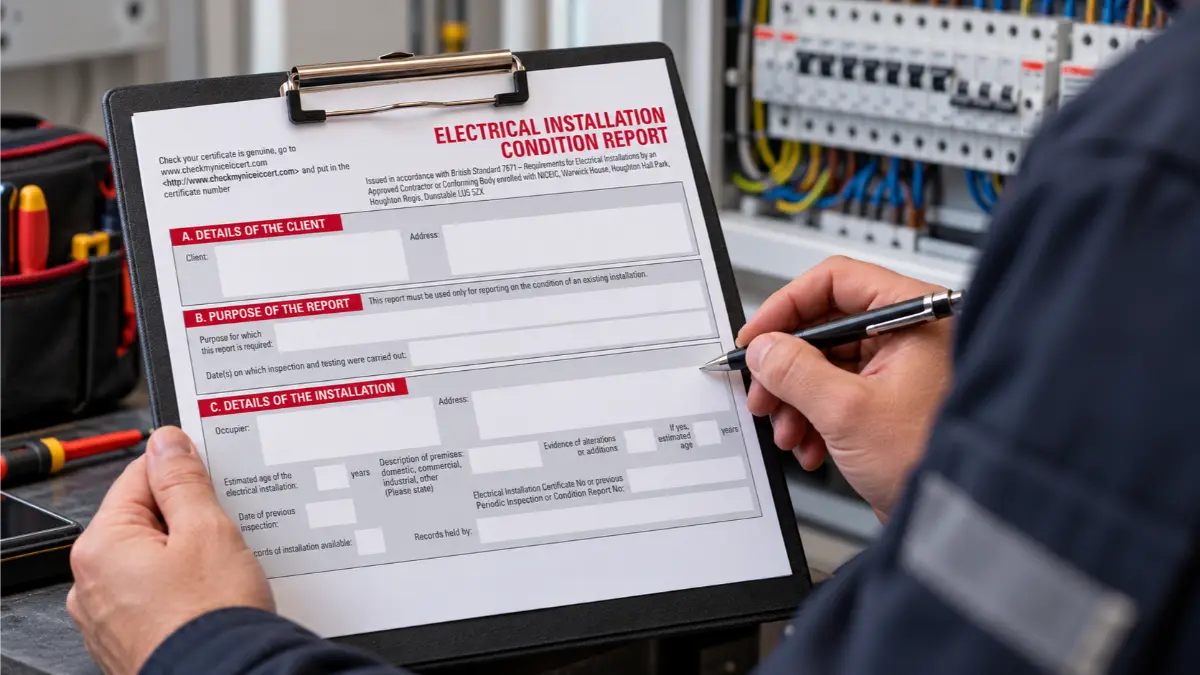
The findings are set out in an Electrical Installation Condition Report (EICR). This will describe the condition of the installation within the scope of the inspection agreed, record any limitations and list any observations that require attention. “Fixed wire testing” is the term most commonly used to describe this inspection and testing process.
An EICR is a snapshot of the installation as it is on the date of inspection. It in no way supersedes the need for regular maintenance, checks following any damage or alteration, or any action taken as a result of a fault observed prior to the next scheduled inspection.
Is there a legal interval for commercial EICR testing?
The Electricity at Work Regulations 1989 place duties on those responsible for electrical systems to maintain them, so far as necessary to prevent danger. The regulations do not state that every commercial property must have an EICR every five years, or at any other single fixed interval. HSE guidance on electrical inspection and testing provides practical information on inspection and maintenance.
A periodic EICR is a widely used way to assess and document the condition of a fixed installation. Other legal duties, the building’s use, lease terms, insurance conditions or licensing arrangements may also affect what records and checks are expected. These requirements can differ between premises, so confirm which apply to your site.
BS 7671 and associated IET guidance provide recommendations for periodic inspection and testing. They help a competent person consider an appropriate interval for the installation. Their recommendations should not be described as a universal statutory deadline.
Is five years the usual commercial EICR frequency?
Five years is the usual starting point for most standard commercial premises (i.e. most offices and retail units). It’s a planning benchmark rather than a statement that every building will in fact last that long. A competent inspector may well recommend a shorter period if the installation or the environment dictates that.
Some installations and locations will have more specific recommendations. The correct interval may well be dependent on the type of installation and how it’s operated.
The report should state the recommended date for the next inspection. If the interval appears to be rather long or rather short then ask the inspector to explain the reasons for that and record the rationale in the EICR.
What affects how often an installation should be inspected?
A competent person will consider the whole installation and the conditions in which it operates. Factors include:
Building use: an office with standard lighting and office equipment is going to have very different requirements to a workshop, a commercial kitchen or a site with a lot of plant and machinery.
Environment: Moisture, heat, dust, chemicals, vibration and outdoor exposure can all lead to deterioration or make existing defects worse.
Installation condition: Previous damage, signs of overheating, aged equipment, poor works or unrectified observations may be sufficient grounds for an earlier inspection.
Occupancy and access: how many people use the premises, what they do and whether people can get to the electrical equipment all have an effect on the risk.
Loading and operating hours: The condition and use of circuits may be affected by the introduction of new plant, increased electrical demand, continuous operation or a change to the working pattern.
Maintenance history: clear records and prompt repairs will go a long way to helping the inspector understand what’s changed since the last report. Missing reports and recurring defects will of course leave a lot more uncertainty.
Previous EICR findings: The condition codes, limitations and any remedial work recorded in the earlier reports should form the basis of the next inspection plan.
The interval should be based on the actual installation and how it’s being used. It shouldn’t be extended on the basis of a previous good report, nor should it be shortened simply because it’s a type of building which is widely used.
When should you bring an EICR forward?
Don’t wait until the next scheduled date if there are any indications that the installation may have become unsafe or the situation has changed. If you have any such concerns then arrange for an immediate review.
repeated circuit breaker or RCD trips;
a burning smell, buzzing, scorch marks or visible damage;
water ingress, impact damage, fire or another event that may have affected electrical equipment;
a significant change of use, a major refurbishment or new equipment that changes the electrical load;
remedial work or alterations that need inspection, testing or certification; or
an EICR with unresolved observations or limitations which leave significant parts of the installation unexamined.
The right thing to do would be a targeted inspection, further testing or a new full EICR. A competent electrician would be in a position to advise on the basis of the incident and the installation.
How to check your existing EICR
Before arranging the next inspection, check that the report relates to the correct building and installation. Review:
the date of inspection and the recommended next inspection date;
the areas and circuits included in the report;
any access restrictions or other limitations;
observations requiring further investigation or remedial work; and
records of work completed since the inspection.
If the building has changed since the report was issued, tell the inspector what has changed. New plant, alterations, added circuits or a different occupancy pattern may affect the assessment.
Plan testing around business operations
Commercial inspection and testing can involve access to electrical cupboards, distribution boards and circuits. Some of the tests will require circuits to be isolated for a period of time. Planning the access and shutdowns will obviously go a long way to minimising the disruption.
Pass on the previous reports, circuit schedules and records of any alterations to the contractor. Identify any critical equipment, operating periods or areas which cannot be isolated without co-ordination. Agree how staff and/or tenants will be informed and how the affected circuits will be returned to service.
A written plan should identify the areas to be inspected, access arrangements, any anticipated interruptions and who will coordinate them. For multi-area premises, agree the sequence so that testing can be carried out in a controlled way.
EICR testing and PAT testing are different
An EICR concerns the fixed electrical installation. Portable appliance testing (PAT) concerns portable electrical equipment such as some office equipment and tools. PAT does not replace inspection and testing of the fixed wiring, and an EICR does not cover every portable item used in a building.
A maintenance plan may include both, alongside appropriate user checks and repairs. The frequency and type of checks for portable equipment should also reflect the equipment, its use, environment and history. Do not assume that a single testing schedule covers every electrical risk in the premises.
Who should set the next inspection date?
The person responsible for the installation should arrange appropriate inspection and maintenance, with responsibilities clearly defined between the parties who control the building or electrical system. In the case of a lease, you’ll need to check the lease and agree who is responsible for access, testing, and any necessary remedial work.
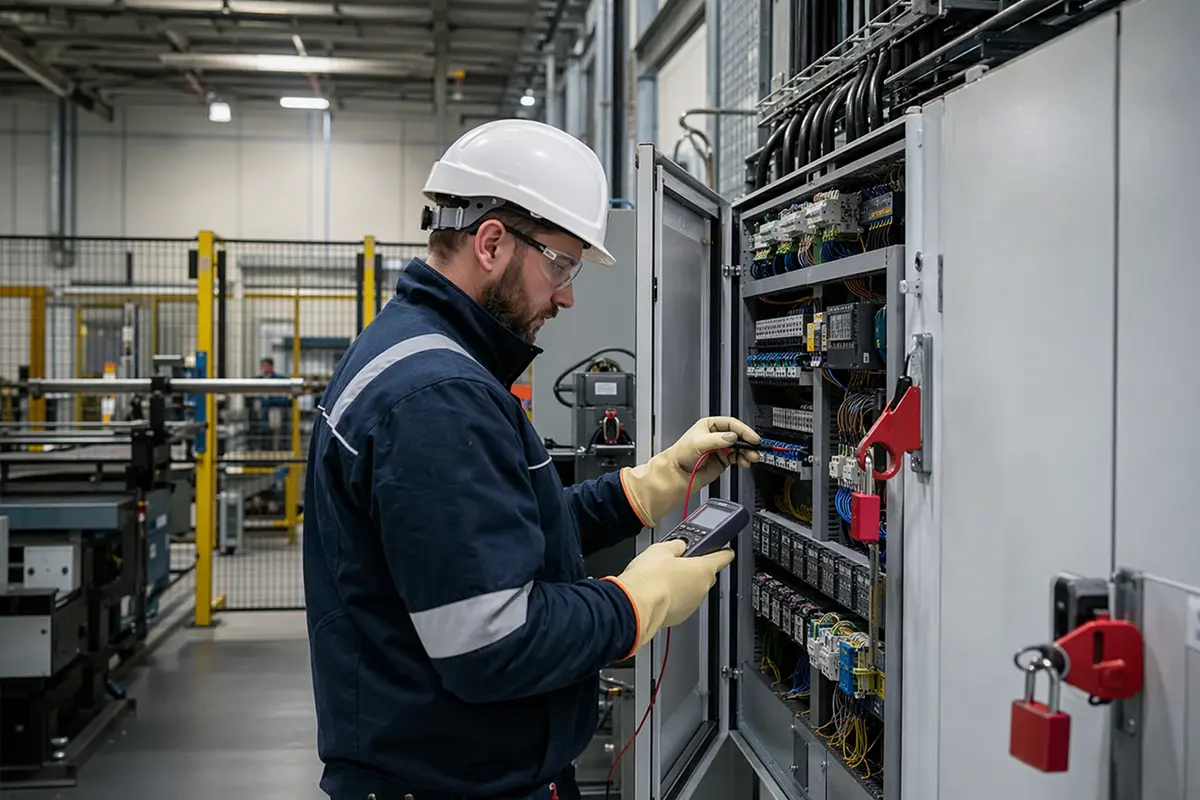
The inspection itself should be carried out by a competent person with the appropriate knowledge and experience of the installation. They will be able to assess the report history, test results, access constraints and site conditions and then go on to recommend an appropriate next inspection date.
Keep the EICR with the records of any remedial work, alterations and any additional testing. A clear record will help the next inspector understand the installation and will help the responsible person to track any outstanding actions.
Arrange commercial EICR support
TEC Electrical Contractors supports commercial property managers and businesses with inspection and testing of fixed electrical installations, EICR findings and remedial work. Read more about TEC’s nationwide EICR testing and condition reports, or contact the team to discuss your site and its current inspection records.
FAQs: Commercial EICR frequency
Does every commercial property need an EICR every five years?
There is no single five year interval which is prescribed by law for every commercial property. Five years is a common planning interval for a great many standard premises, but a competent person would of course recommend the interval for the particular installation and site conditions.
Is an EICR the same as fixed wire testing?
Yes. “Fixed wire testing” is a common term for periodic inspection and testing of the fixed electrical installation. The findings are recorded in an Electrical Installation Condition Report.
Does PAT testing replace a commercial EICR?
No. PAT testing is about portable electrical equipment. An EICR is the test for the fixed installation. They’re looking at completely different things.
When should I arrange an inspection before the date on my report?
Arrange a review if there is damage, water ingress, a fire, repeated tripping, signs of overheating, a significant alteration, a change in building use, or an unresolved observation. A competent person can advise whether a targeted check or a full EICR is appropriate.
Who decides the next EICR date?
A competent inspector recommends the next date after considering the installation, its condition, how it is used, its environment, previous findings, and any limitations. The person responsible for the installation should keep that recommendation and related records under review.